Rendham
Sold


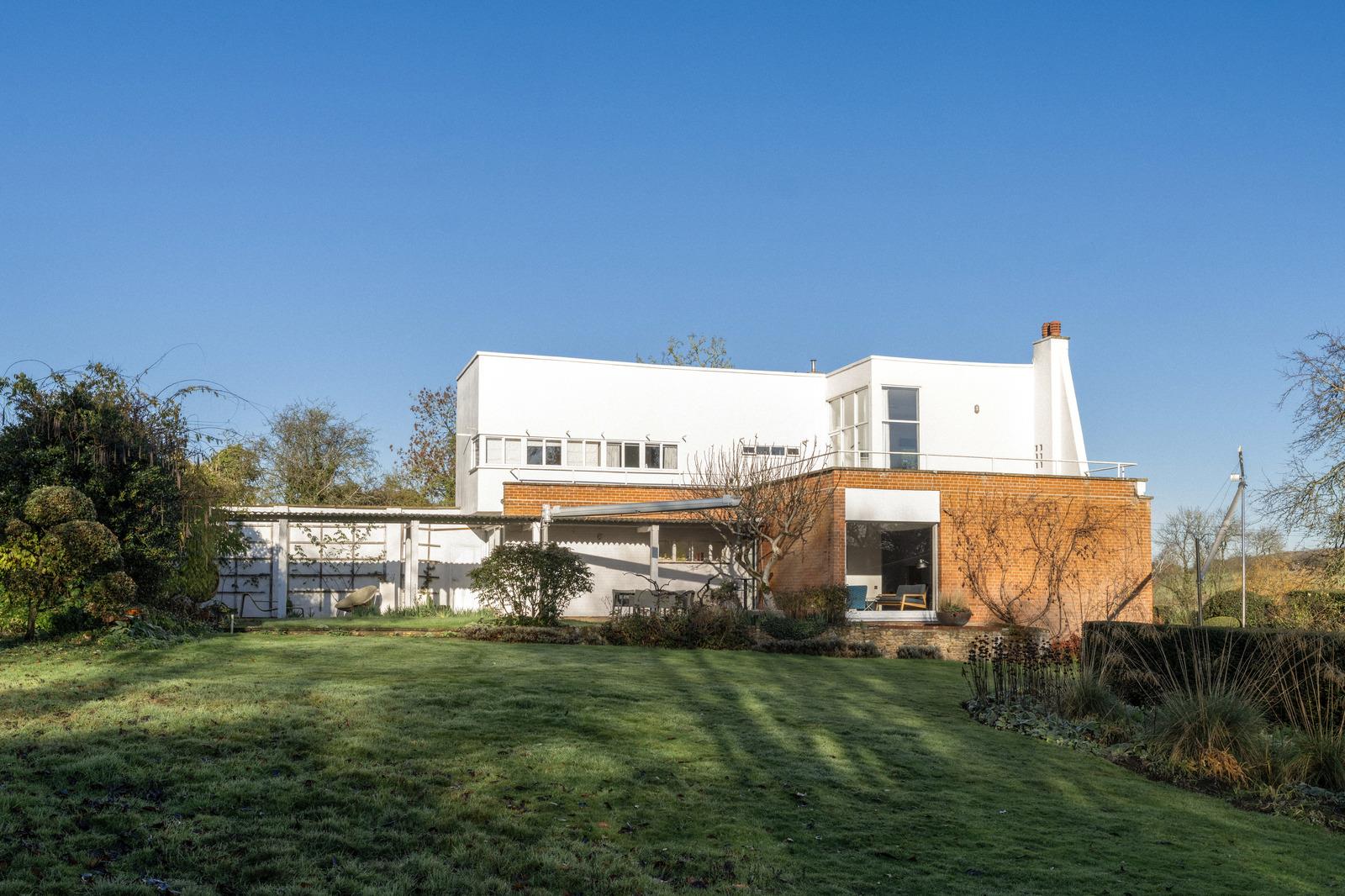
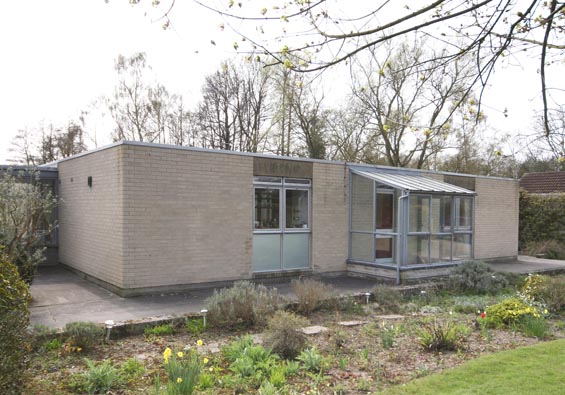
This large single-storey house on a one-acre (approx) site is one of the celebrated group of nine Suffolk houses, called the 'temple' houses, designed by the architect John Penn in the 1960s.
Rendham
SOLD


History

John Penn (1921 - 2007) was without doubt one of Britain's greatest Modern architects. His uncompromising approach, however, alongside the love of the Suffolk region in which he lived, meant that he never achieved the wider prominence of some of his peers. Indeed it has only been in recent years that his contribution to British architecture has been fully recognised. On his death in 2007, a number of obituaries were published that paid tribute to the "remarkable collection of... important modernist houses built in east Suffolk... [that] still appear uncompromisingly modern, although now well over 40 years old" (Richard Gray, The Guardian, March 2007). An exhibition 'John Penn Houses' was also put on by the fashion designer Margaret Howell in her London showroom in 2007.
Penn was born and brought up in Suffolk and educated at Eton. He studied architecture at Cambridge University before the war interrupted his studies. Serving with the Grenadier Guards, Penn was awarded the Military Cross before resuming his studies at the Architectural Association when the war finished.
Penn worked with Frederick Gibberd early in his career (engaged in the design of the Harlow new town) but his defining work came when he travelled to California to take up a position in the office of Richard Neutra. Los Angeles, which Penn said was "nice on wheels", proved a welcome counterpoint to the austerity of post-war Britain.
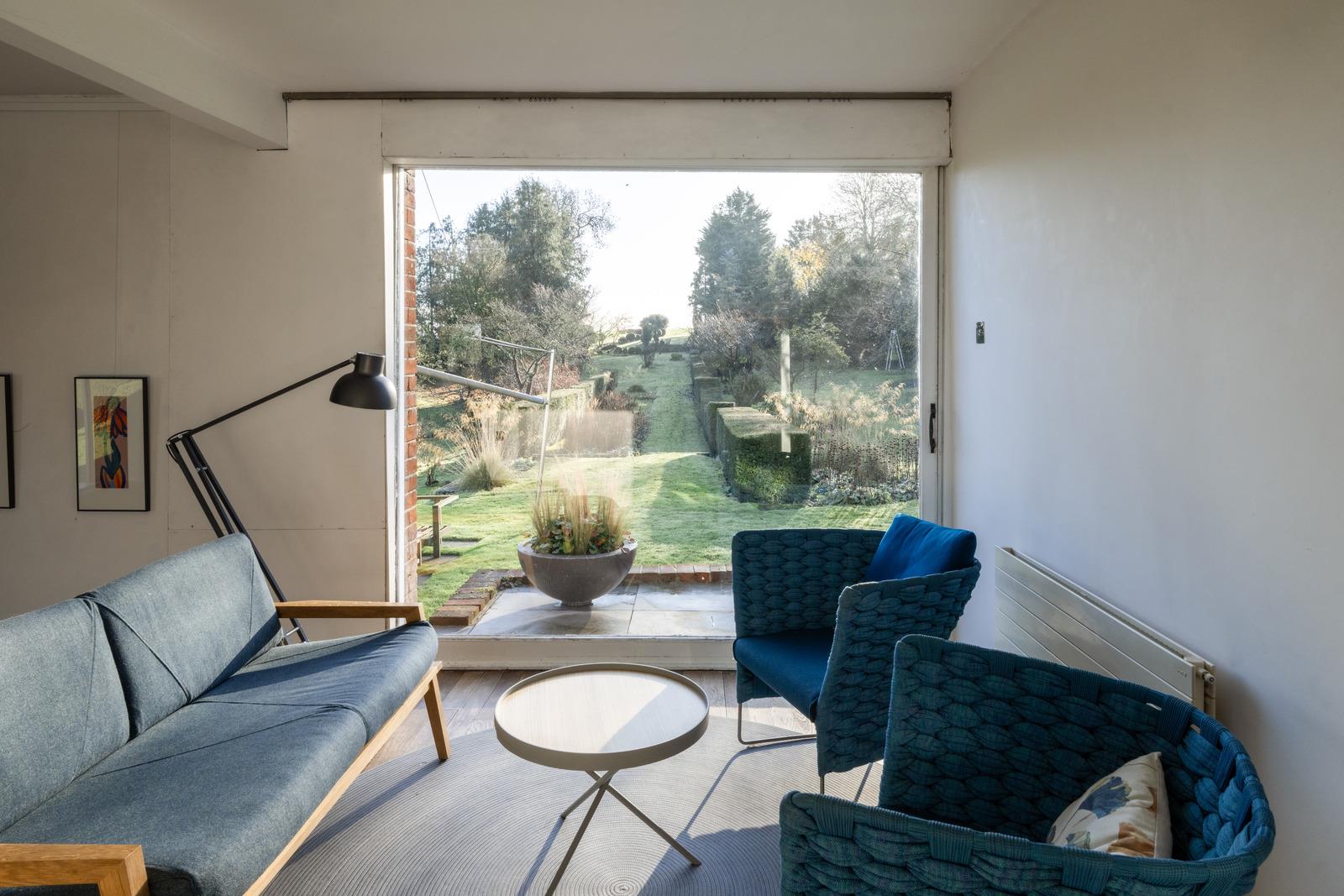
Neutra's celebrated Californian houses of this period have come to define the so-called 'Mid-Century Modern' style that is now so popular, with the likes of Tom Ford now paying many millions of dollars for them. What Penn took from Neutra was an adherence to a classical rigour of plan as well as a devotion to light, spacious interiors through the use of extensive glazing.
After a brief period working in the New York offices of Skidmore, Owings & Merrill, Penn returned to the UK where he took up teaching before designing his first house, for his mother, in 1962. This led to a number of local commissions during this decade, and the collection of the so-called 'temple houses'.
"Like Mies van der Rohe's house, Penn's have the character of temples... the whole composition is lucid and calm, the epitome of the union of the classical and modern" wrote Alan Powers in The Independent in 2007, adding that "the gently contoured landscape of Suffolk, with its tradition of pale brick, was the ideal Arcadia for these temples".
In his obituary for The Guardian, Richard Gray also referred to the 'temple' houses, writing that "order provided an architectural matrix for his work", going on to describe his house designs as "a synthesis of... the classical temple, a subconscious deference to Palladio and the spontaneity of southern California".
During the 1970s, Penn wound down his architectural career to concentrate on his other passion, painting. He continued to live in Suffolk and work as an artist until his death in 2007.
Interested?