Sold


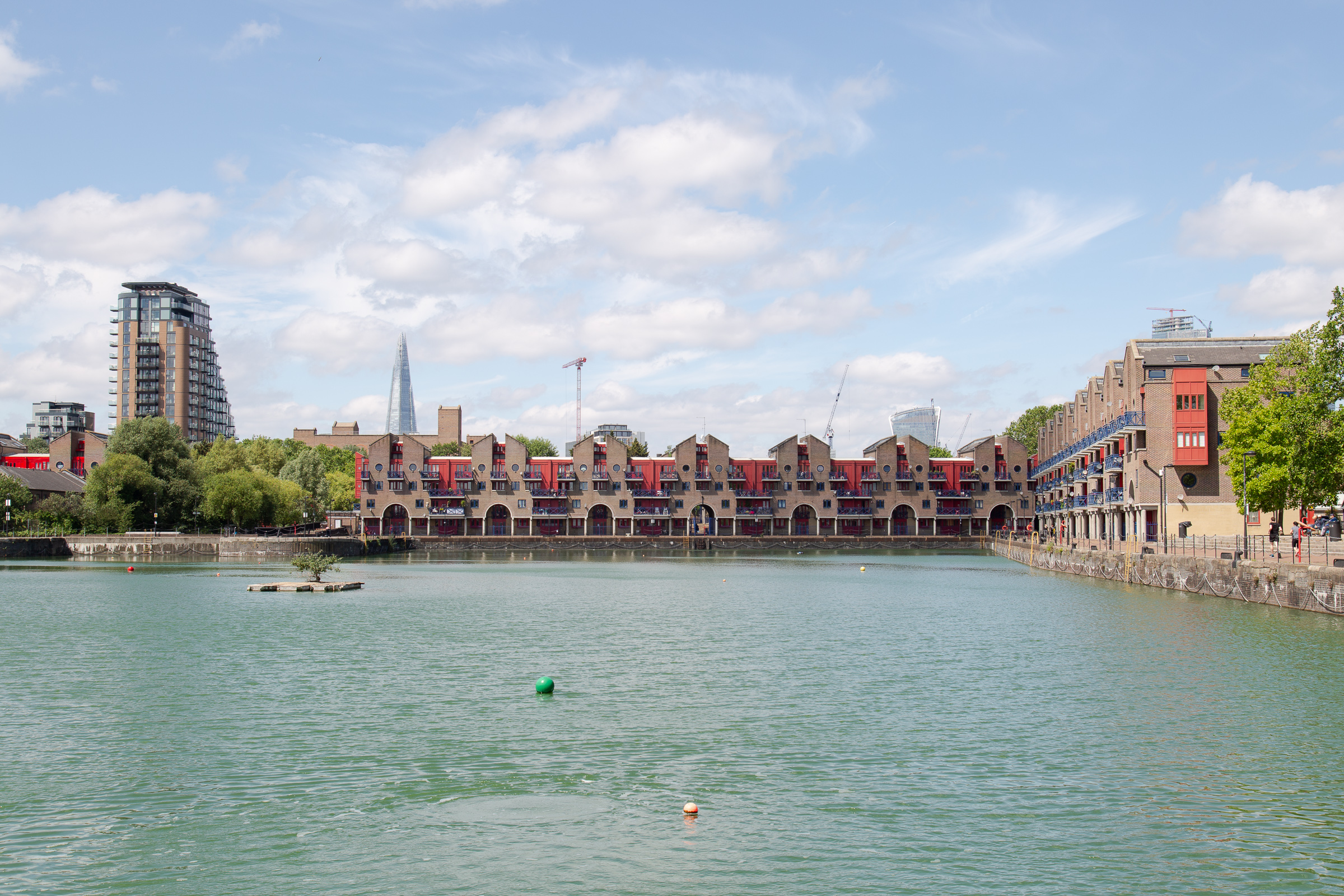
"Wharfism incarnate, the recollection of the grand nineteenth-century tradition of industrial buildings in the docks… around a huge public realm made of water, a maritime square, a blue piazza” - Charles Jencks
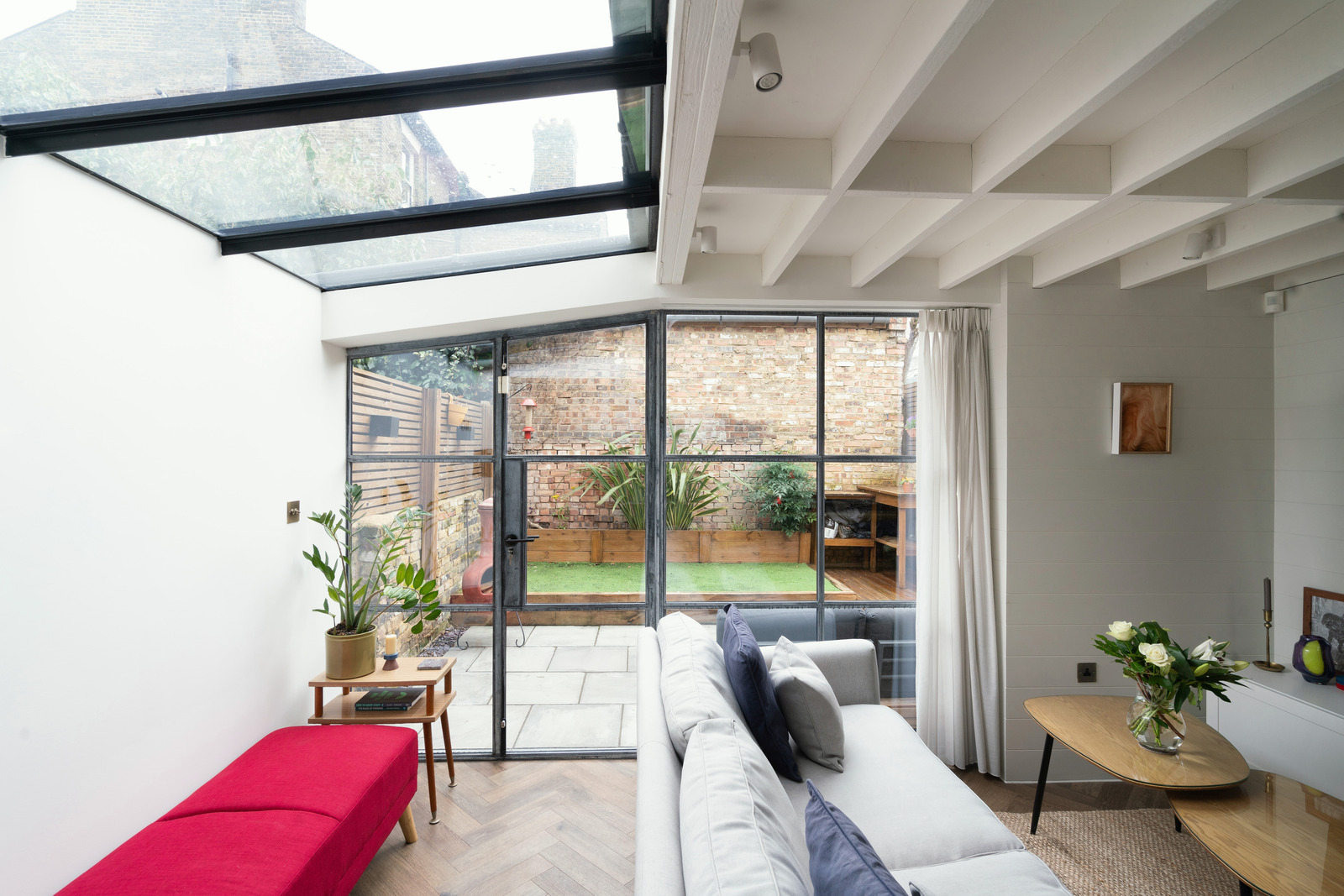
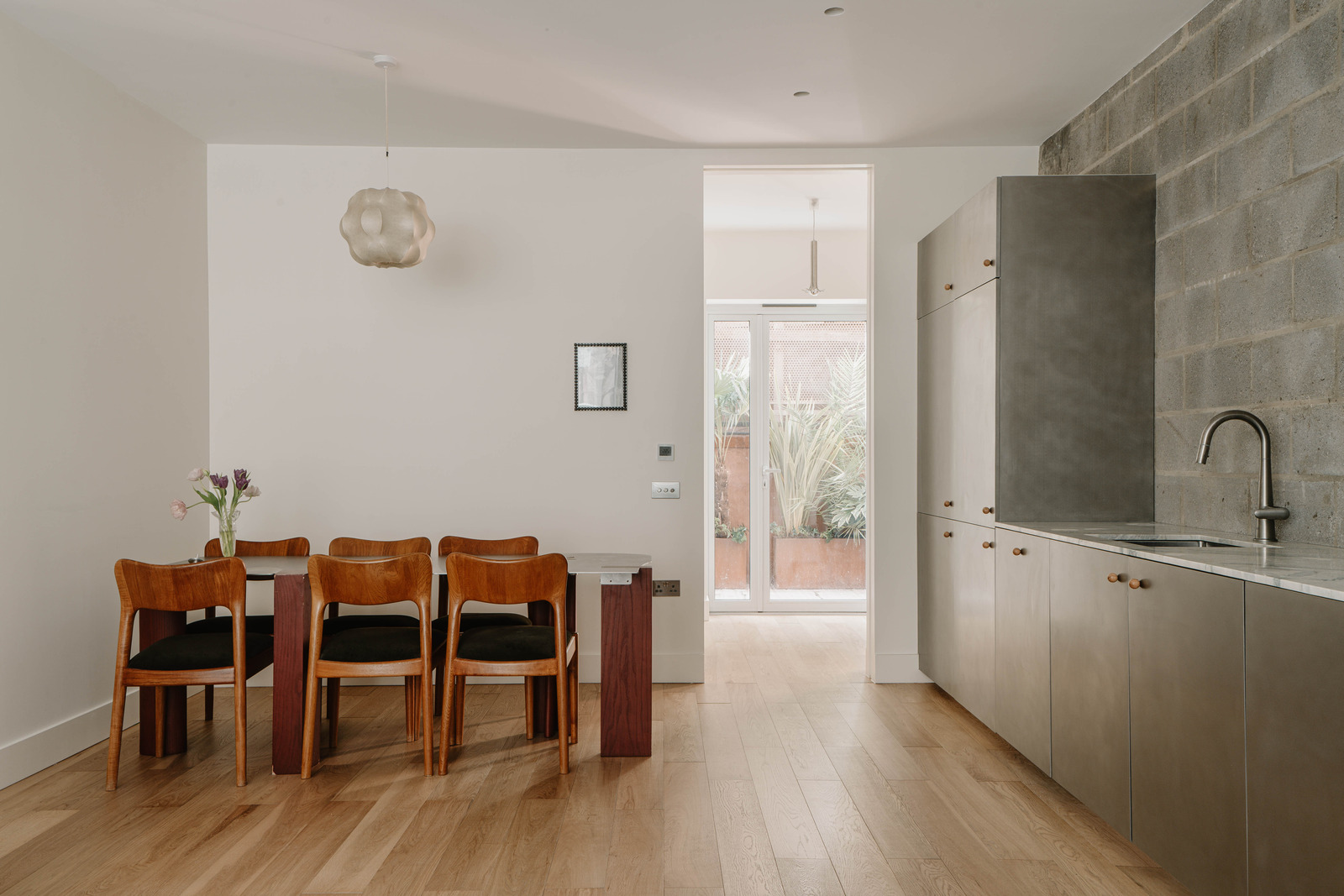
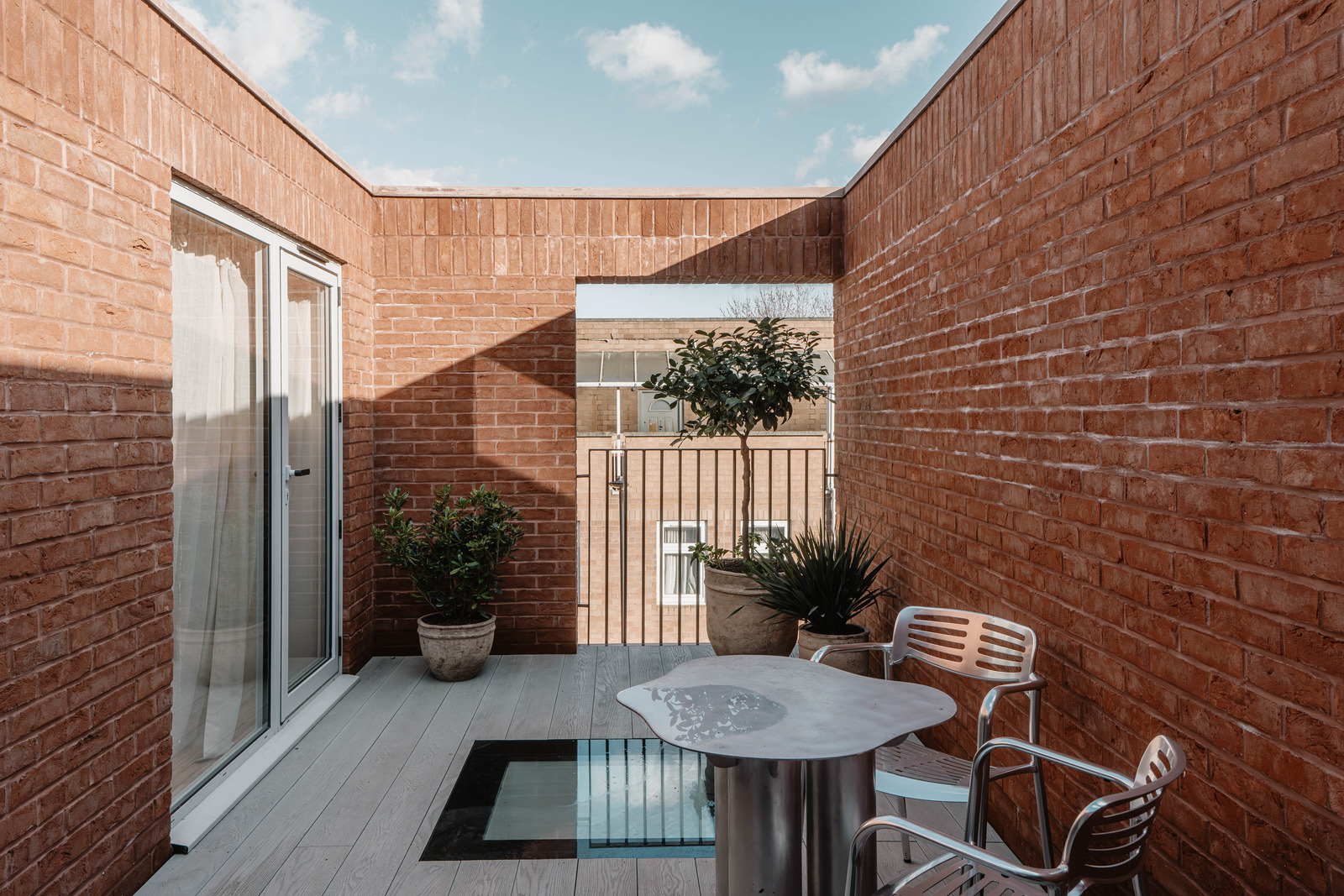
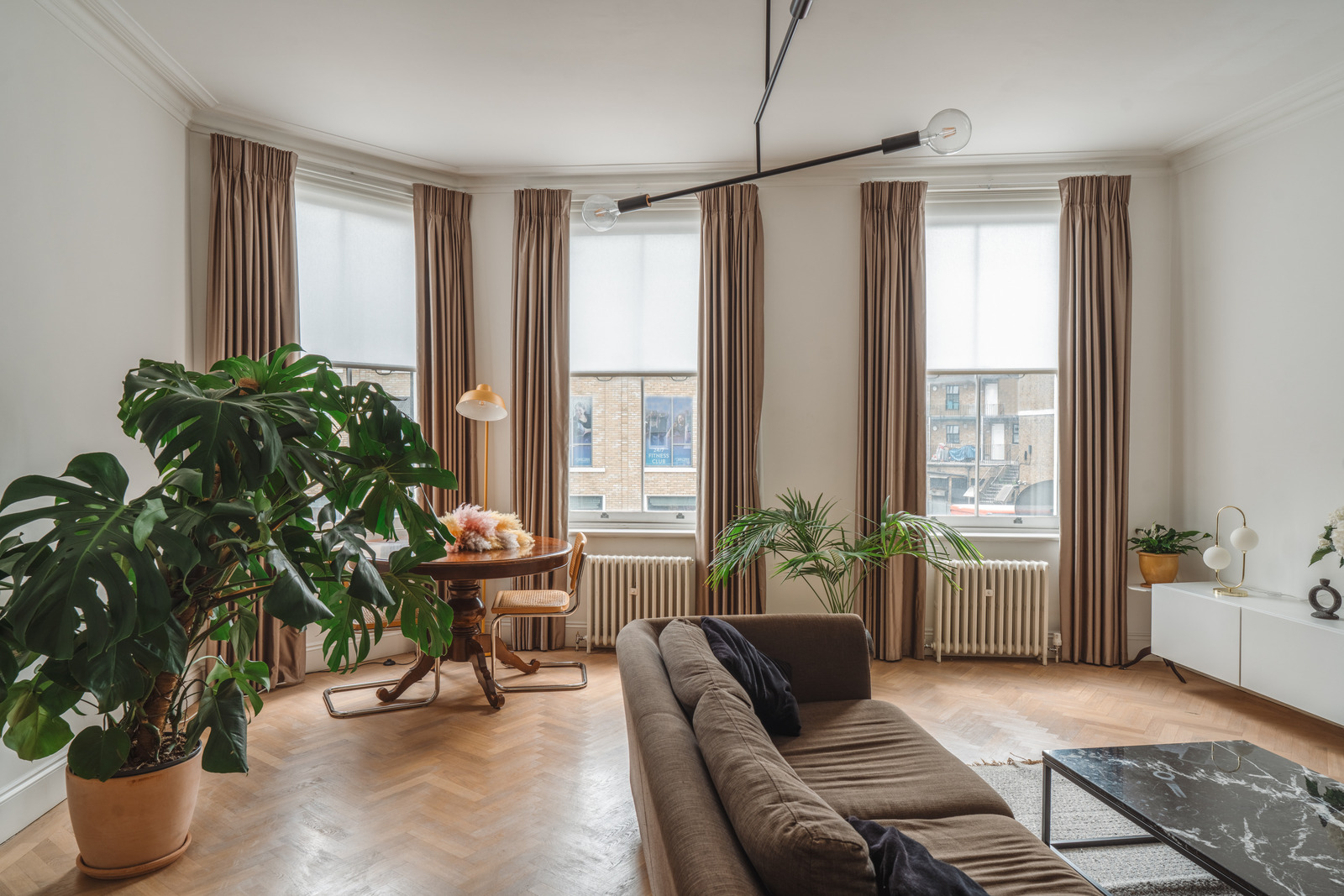
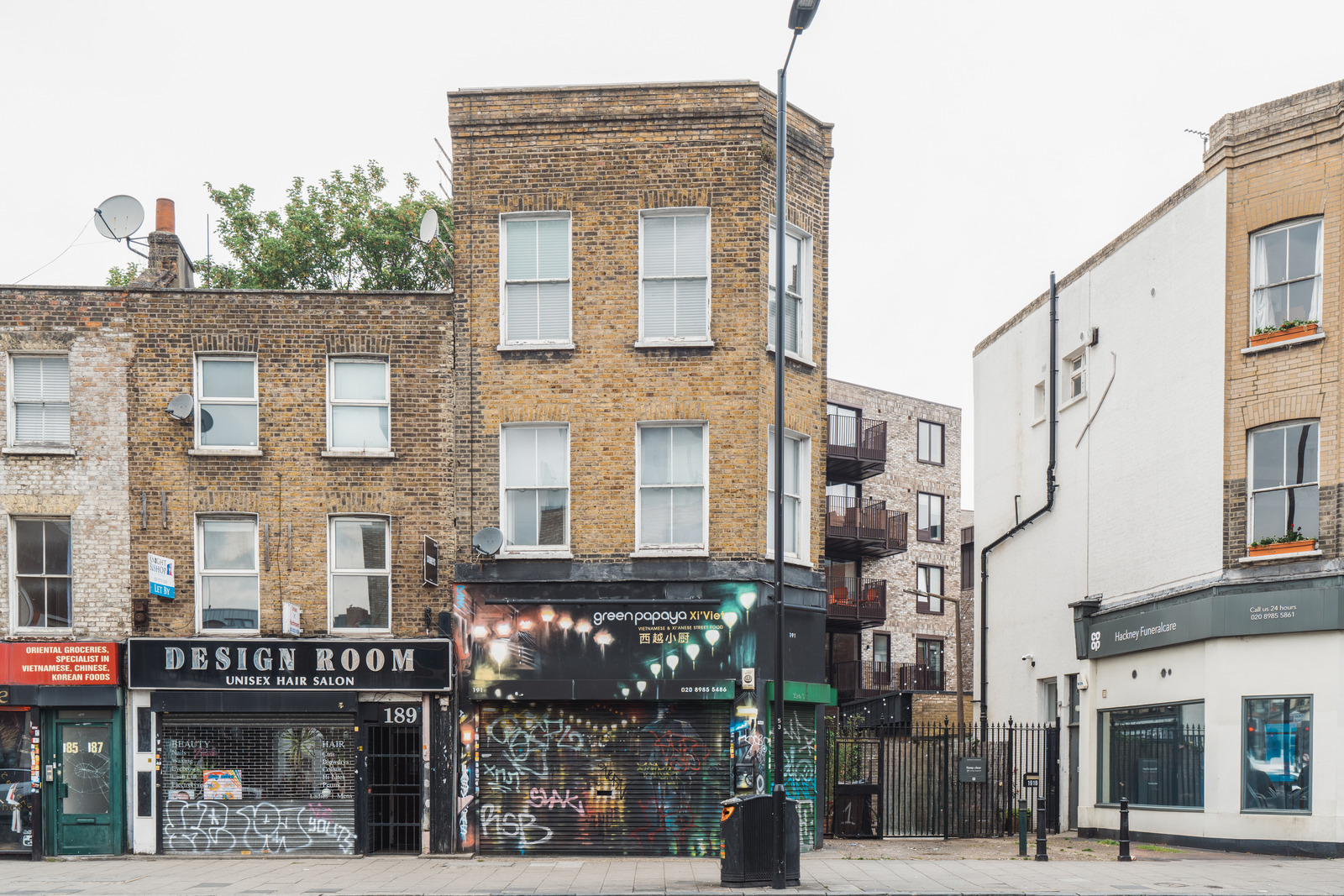
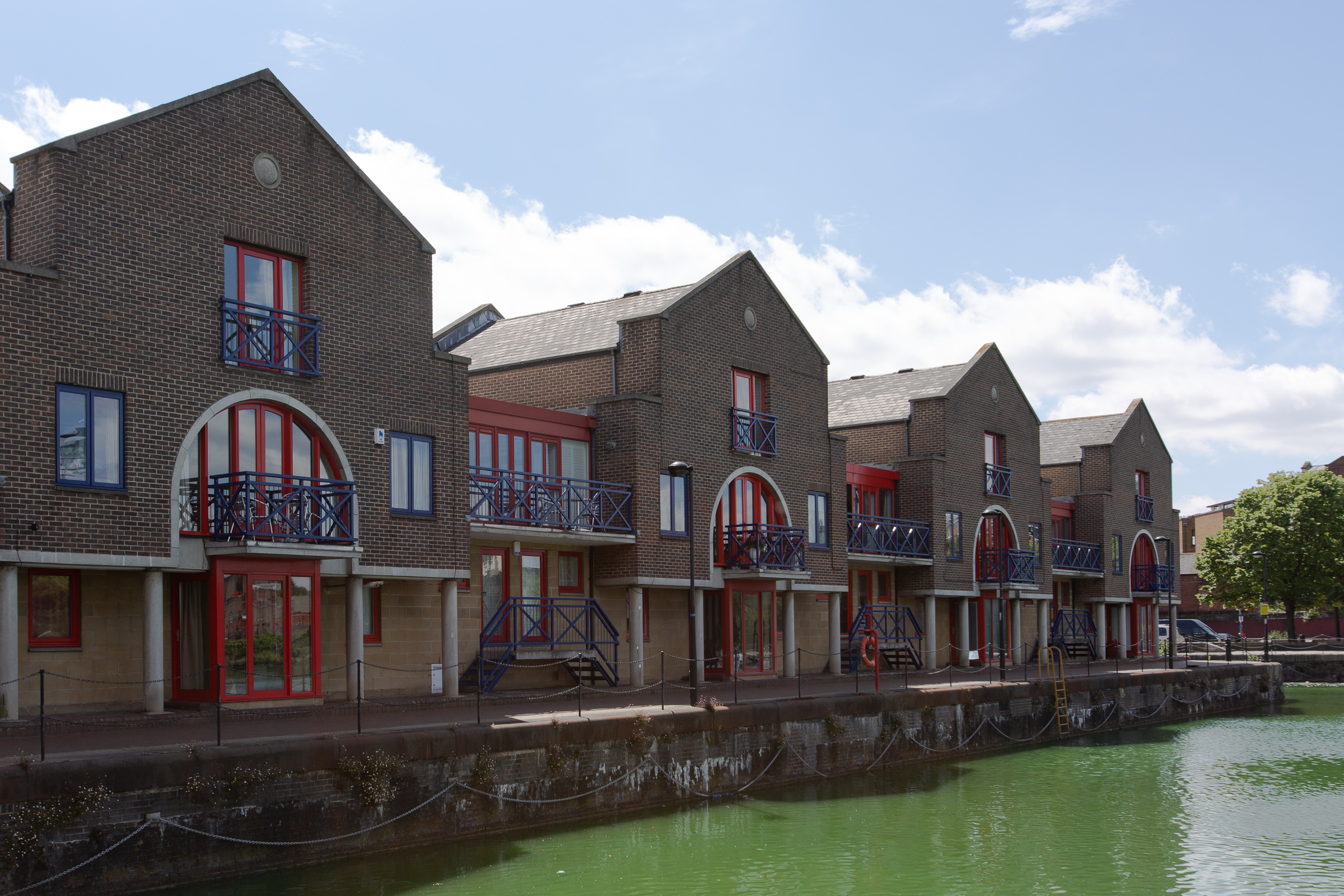
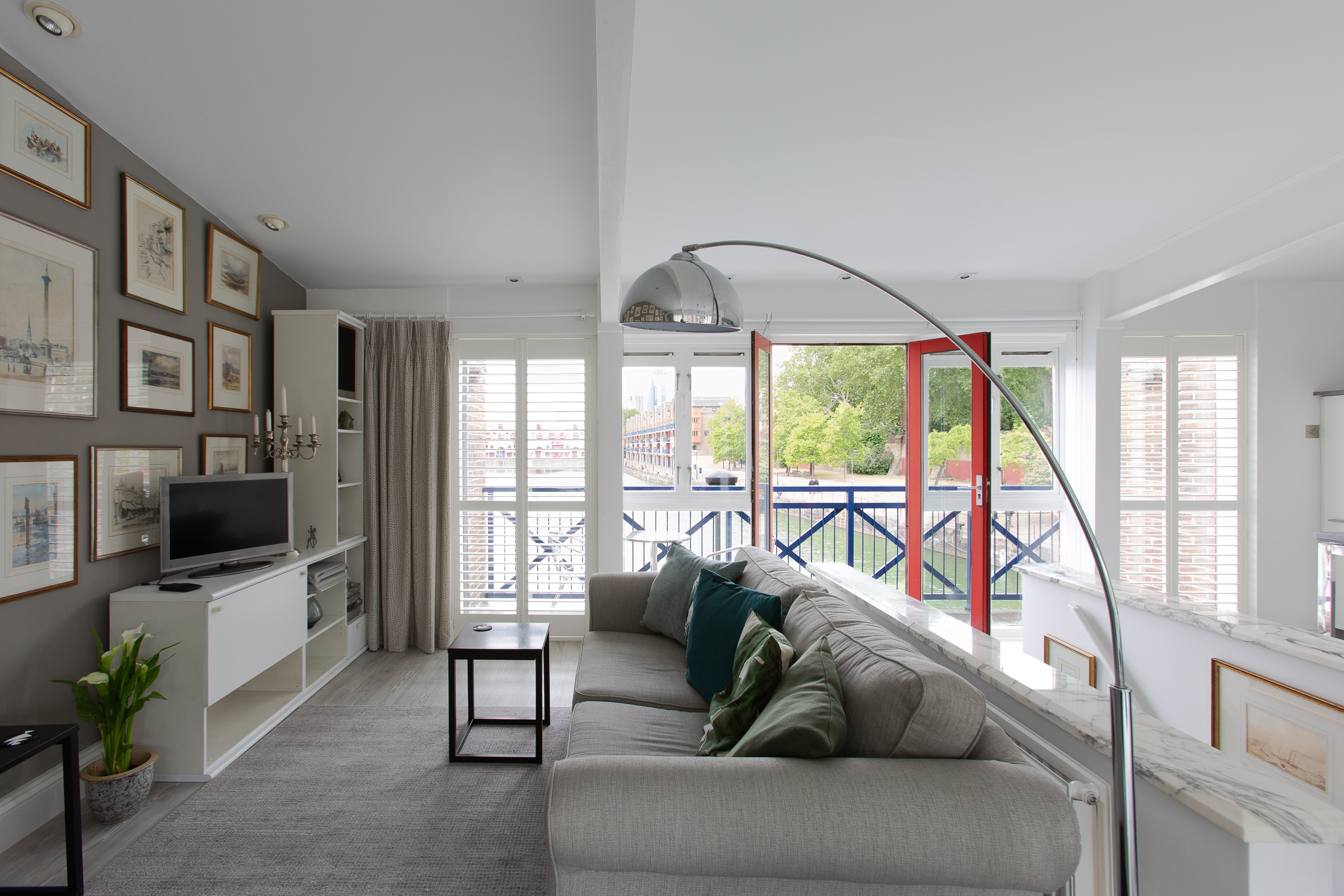
This fantastic two-bedroom house is positioned on Peartree Lane and was designed by the late Sir Richard MacCormac for his architectural practise MJP, in 1988. Internal space extends to 1,025 sq ft including beautiful double-height ceilings and two balconies affording views of London's skyline over the waters of Shadwell Basin and the River Thames. The Shadwell Basin development was awarded a Grade II listing by English Heritage in 2018, in recognition of its outstanding Postmodern architecture.
Peartree Lane
SOLD

History
A former president of the Royal Institute of British Architects, Richard MacCormac made his name in the socialist modernist field of design, influenced by the Arts and Crafts movement and the American architect Frank Lloyd Wright. He worked on social housing schemes in south-west London before starting his own practice, MacCormac Jamieson Prichard (now known as MJP) with Peter Jamieson and David Prichard, in 1972.
A case study of MacCormac’s attitude and approach to Postmodernism is the housing scheme he designed for the London Docklands Commission on Shadwell Basin. The development has recently been listed as an example of Postmodern architecture.
The scheme is, in some ways, typical of its period, in that it was designed in the 1980s and breaks with the tenets of Modernism which proceeded it. The houses and flats surrounding Shadwell Basion are informed by history and contained identifiable historical references, but they do not succumb to the baubles, irony and in-jokes that often define more effusive architectural examples from the same period.
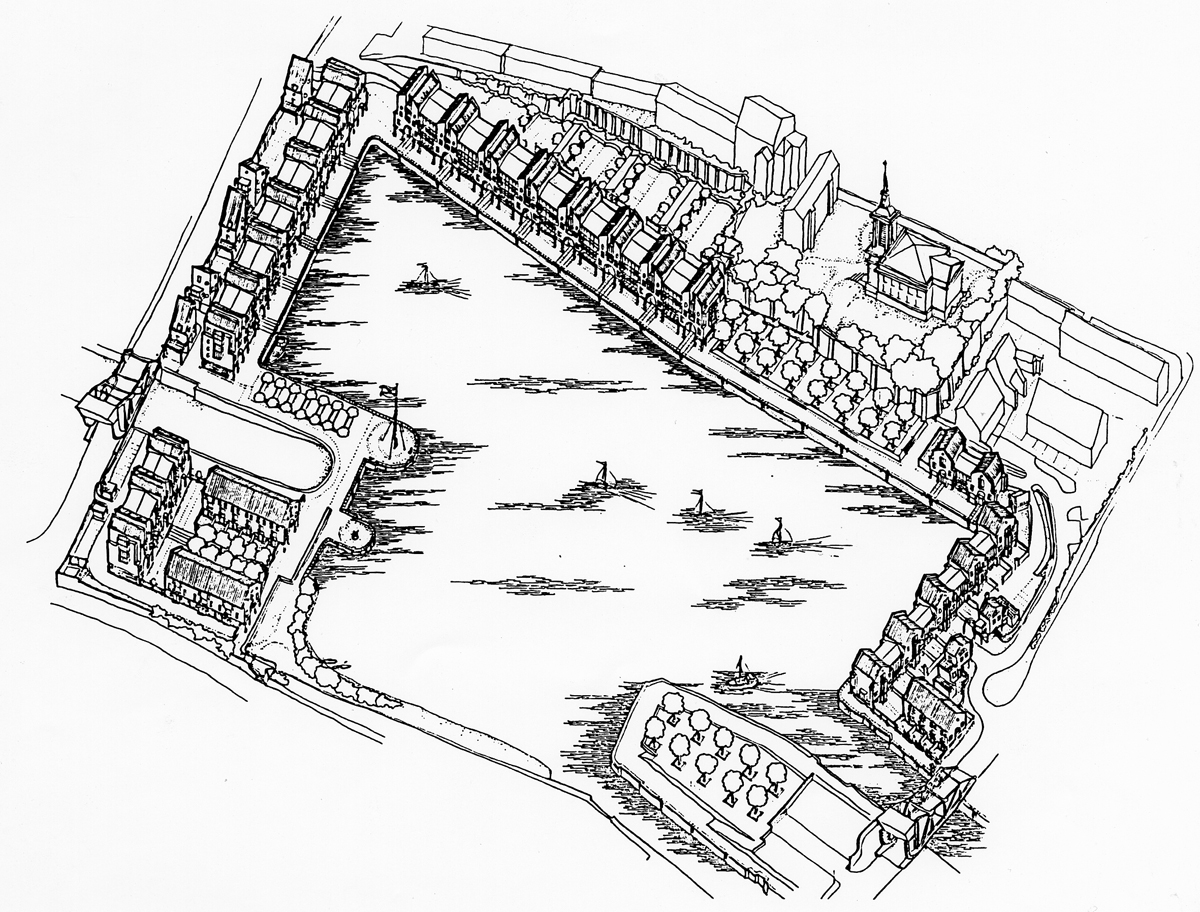
In 1983, MacCormac Jamieson Prichard was commissioned by Ted Hollamby to produce what was described as a ‘guideline study’ to Stage C for the development of Shadwell Basin, part of the old London docks complex.
Hollamby had been impressed by a proposal for docklands’ housing which MacCormac had published in the Architectural Review in January 1982 which was based on a conflation of his interest on nineteenth-century dock design with an interest in vernacular canal-side housing in Venice. Hollamby wanted to establish an effective vocabulary for docklands’ housing developments which was not purely pastiche nor routinely suburban and MacCormac’s proposals, which provided for deep interiors and a view out onto water, provided a possible answer.
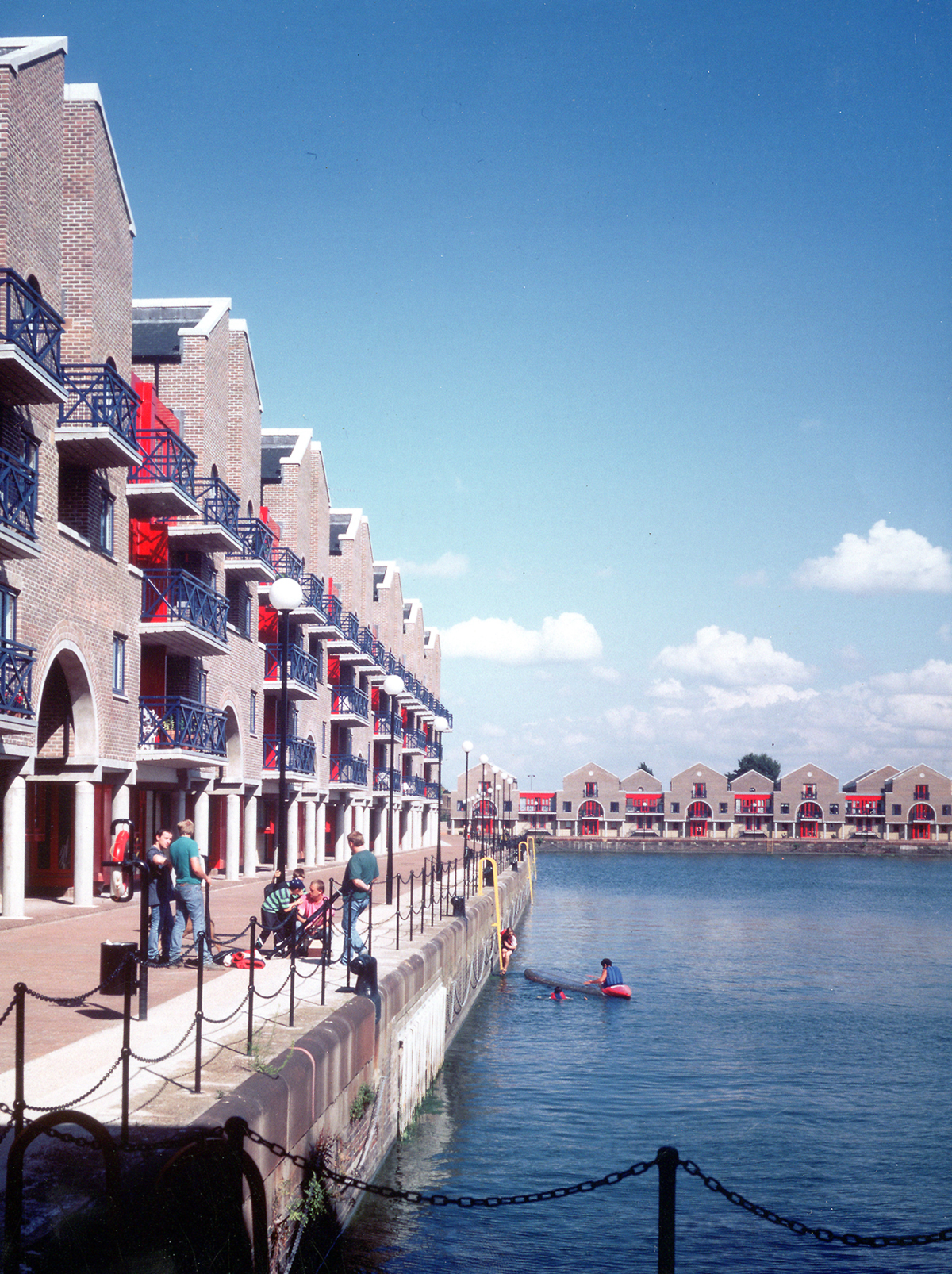
MacCormac proposed, on the west side, three-storey apartment buildings, which were given architectural character by round-headed arches resting on straight concrete columns and, on the north side, four storeys, as on the east, with a playfully split pediment.
Although MJP was retained as architect, the detailed drawings were done by another practice, which changed some of the detailing, including introducing a brighter, more primary red to the paintwork instead of the original Venetian red oxide which Richard had wanted, and reducing the height of the buildings in the north-east corner near the church so as not to interfere with the wind for the sailing school. The overall vocabulary, the massing and the classical round arches and columns was MacCormac’s, based on the design of Jesse Hartley’s Albert Dock in Liverpool.
Just as MacCormac was a representative of a generation who had been brought up as orthodox Modernists, so it was almost certainly impossible for him wholly to escape some of the ambiguities and uncertainties about Modernism, which so many of his generation experienced during the 1970s, particularly for someone who was so independent minded, so reflective about the nature of architecture, and so interested in its history.
Interested?