Fitzroy Park II
Sold
Fitzroy Park II
London N6
£11,500,000
Architect: Hal Higgins (Higgins Ney & Partners)
or call +44 (0)20 3795 5920
Share


Sold
Fitzroy Park II
London N6
£11,500,000
Architect: Hal Higgins (Higgins Ney & Partners)
or call +44 (0)20 3795 5920
Share
“It is rare to find a house that succeeds as a dramatic piece of architecture and as a home’’ - Colin Amery, The Architects Journal, 1973
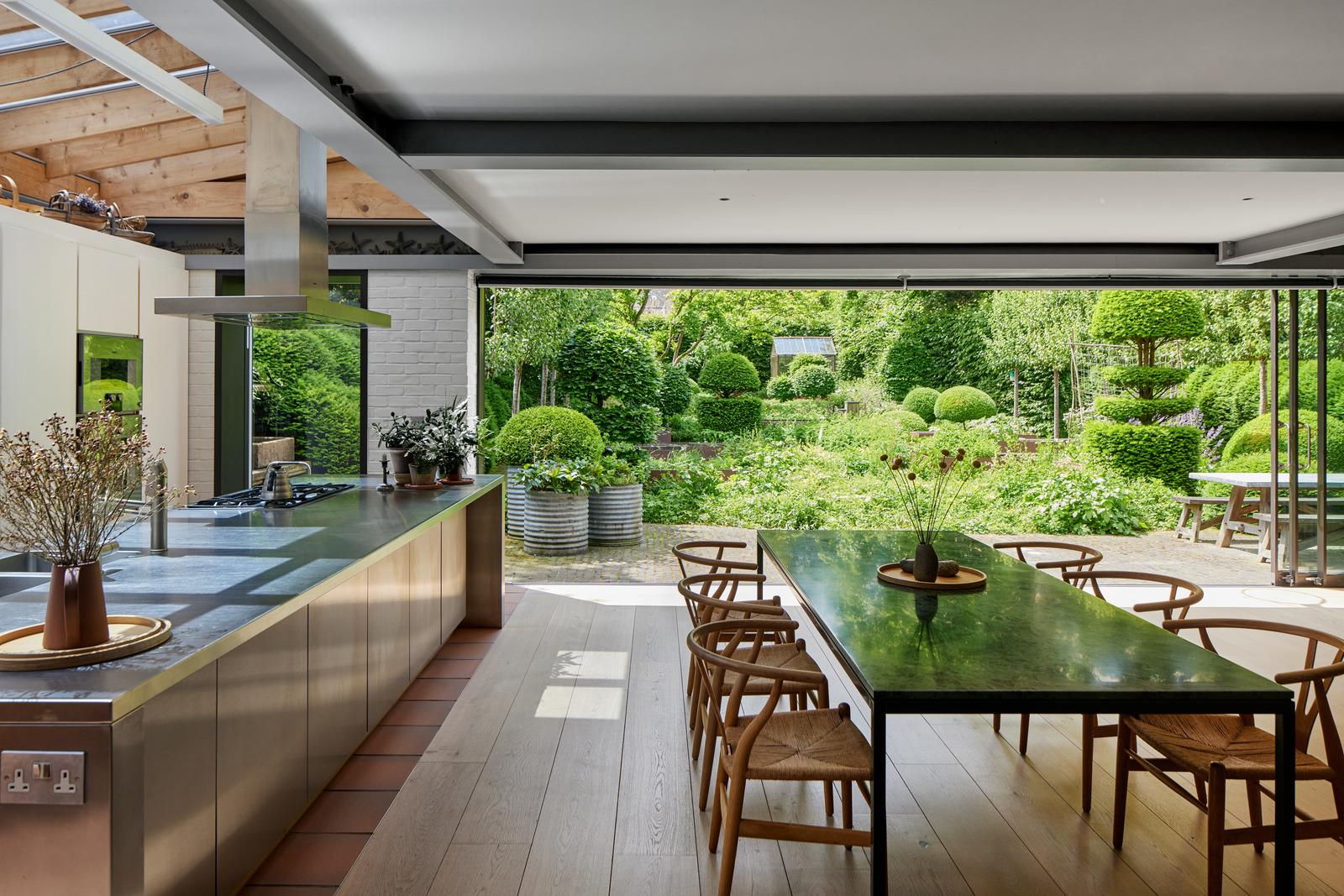
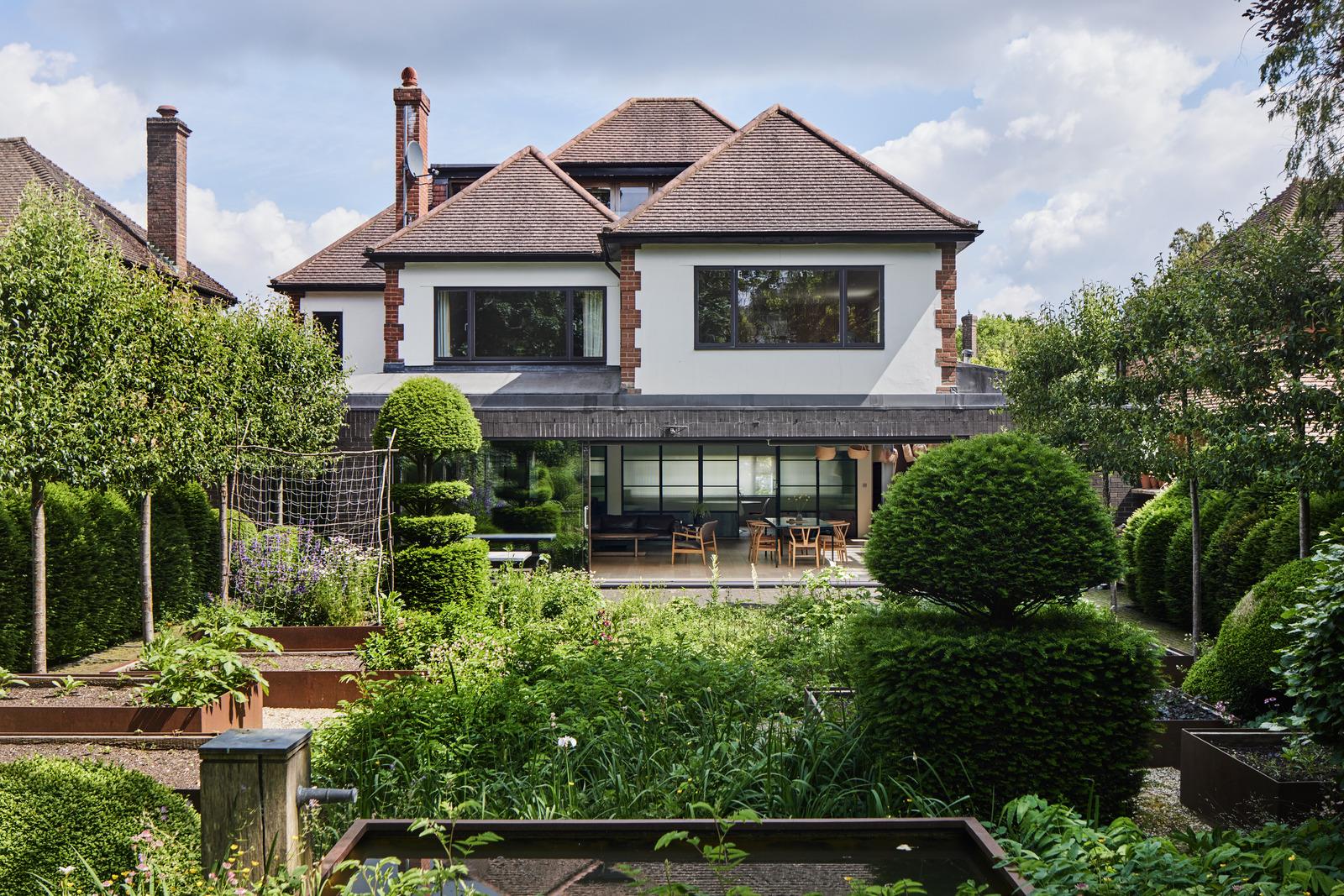
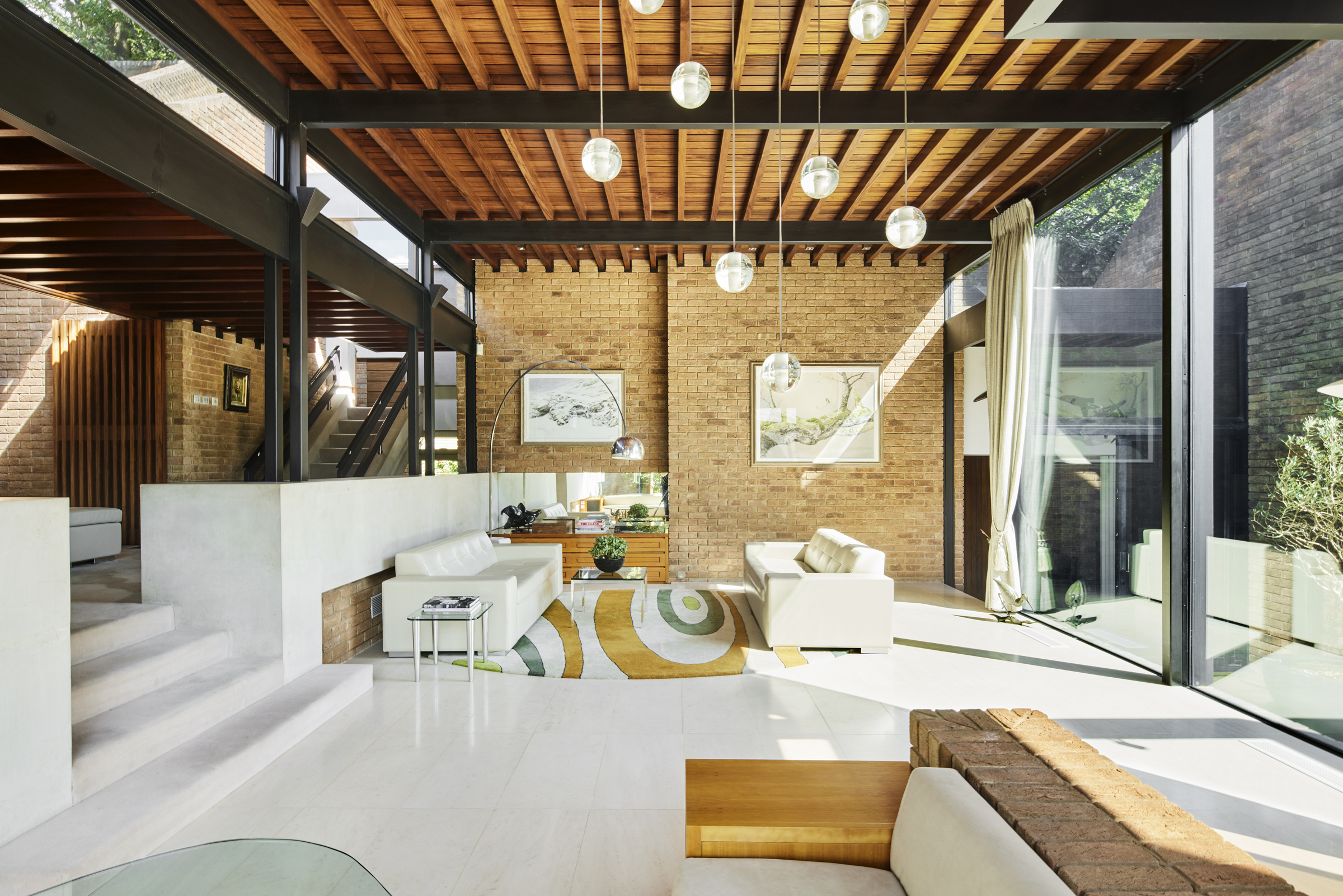
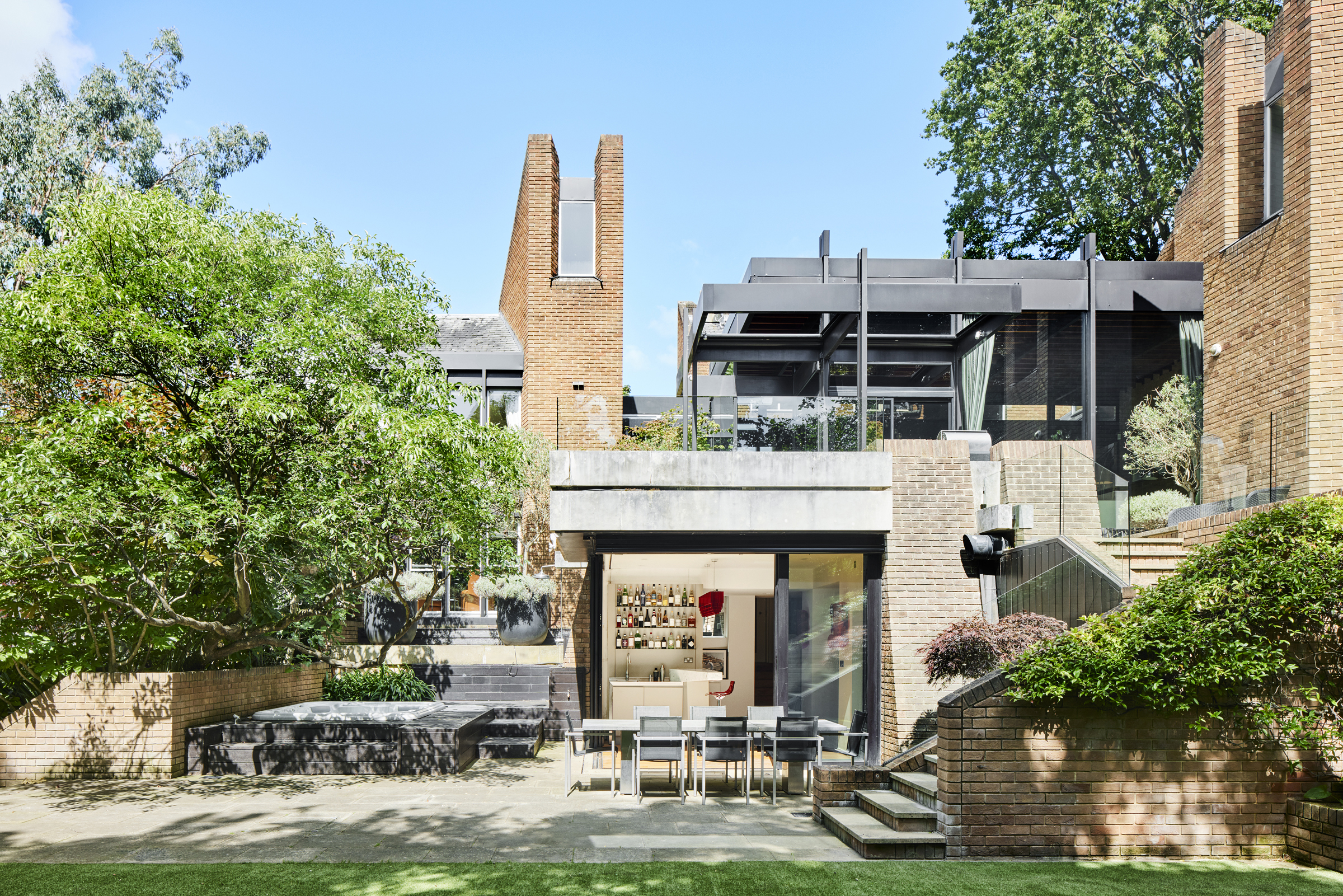
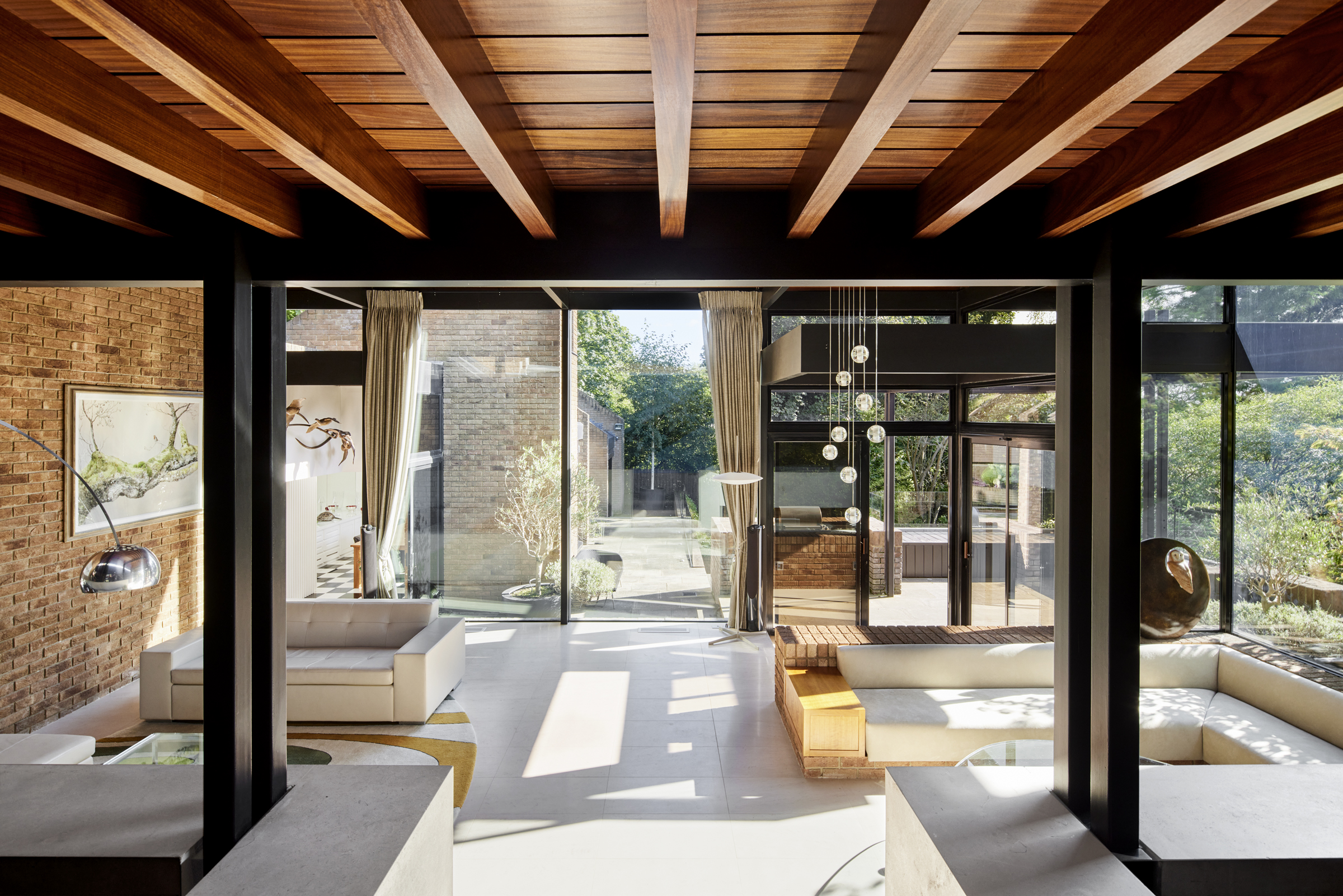
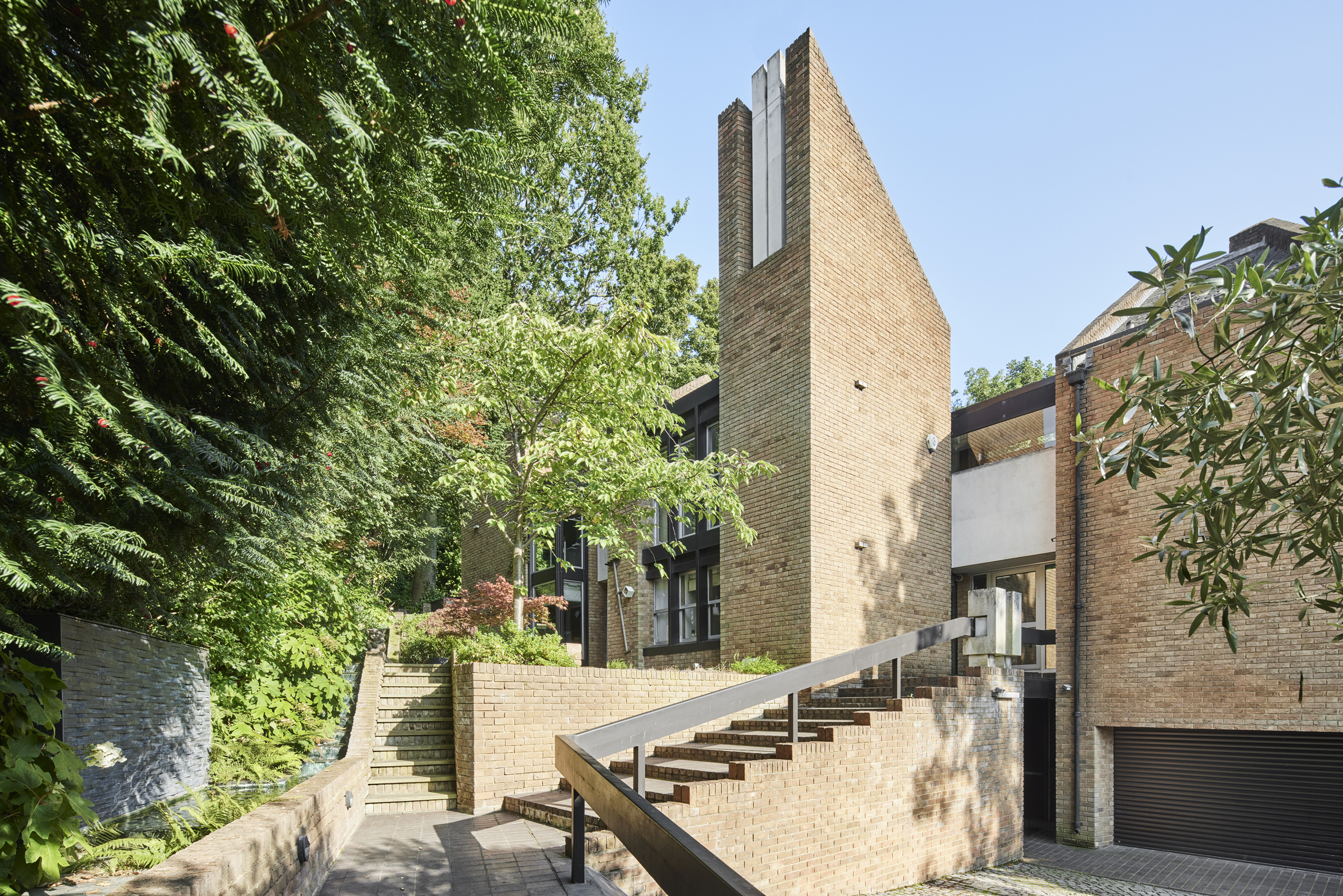
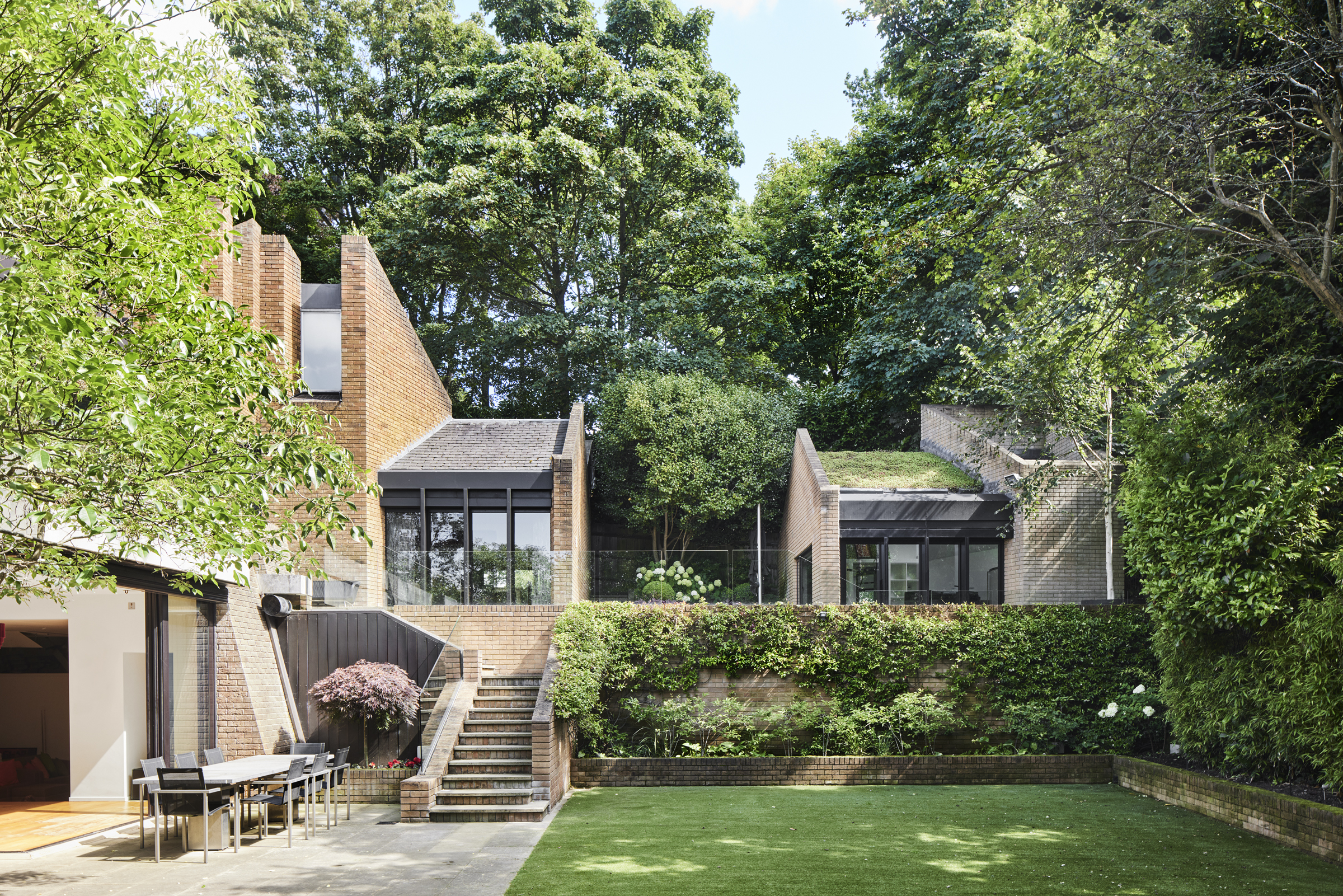
This exceptional Grade II-listed, six-bedroom house has been described as one of the most notable private residences of its time, not least for its brilliance of complexity and spatial ingenuity. It was designed by Hal Higgins of Higgins Ney and Partners and constructed in 1965-67. Built into a hillside, the house rises from Fitzroy Park like a church of modernism, with steep mono-pitched roofs and a series of adjoining pavilions exceeding 6,000 sq ft internally, arranged around tree-enclosed gardens and terraces on a plot exceeding a third of an acre. The house is situated at the northern end of private Fitzroy Park, a short walk from Highgate Village and the bathing ponds of Hampstead Heath. For more information on the origins of the house, please see the History section below.
Fitzroy Park II
£11,500,000
History
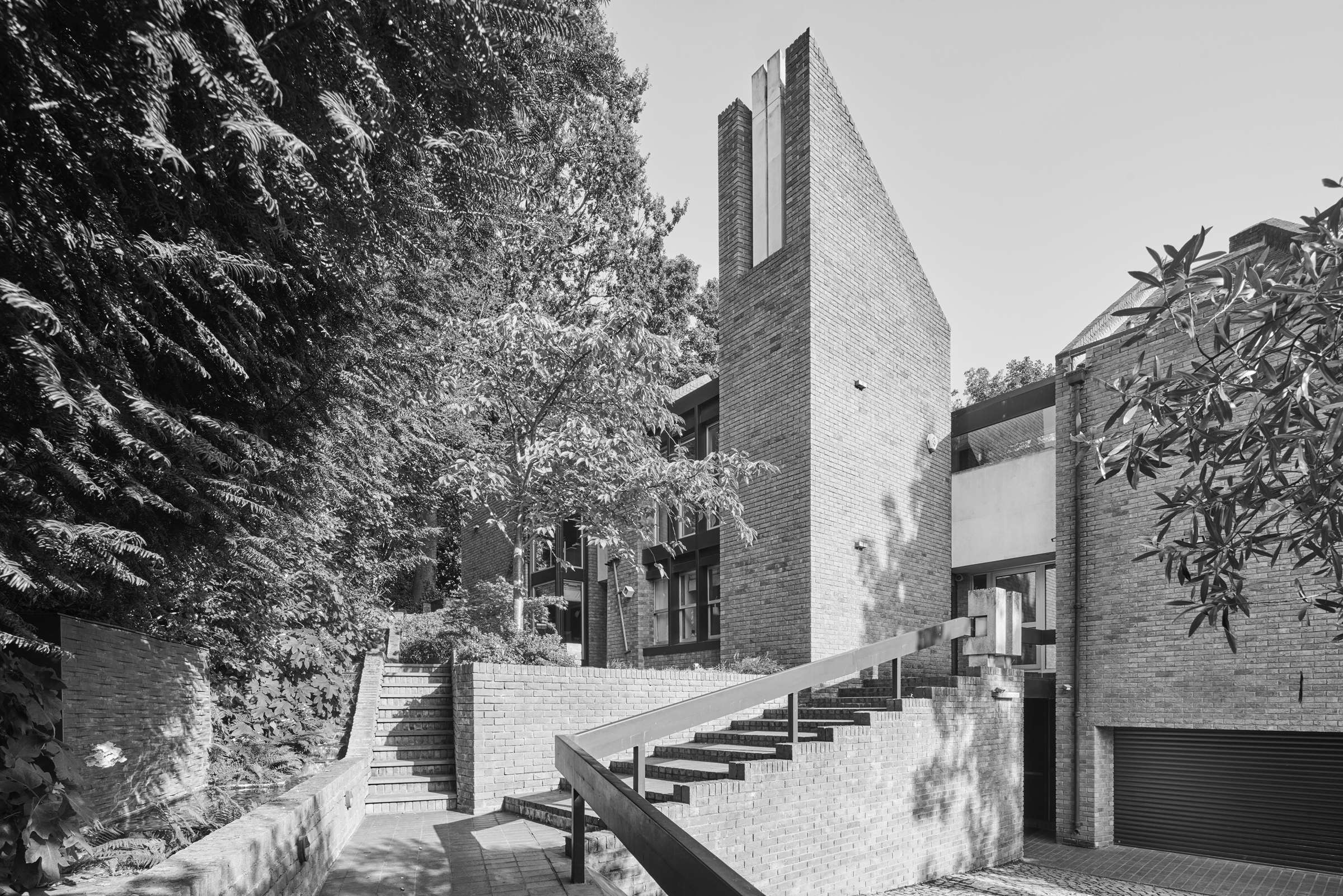
In 1965, engineer Peter Epstein commissioned the architects Higgins Ney and Partners to design a new home for his family on this elevated site at Fitzroy Park. It was an earlier house at Spaniards End, Heathbrow (1961), that alerted Epstein to their proficiency and encouraged him to commission this project. Formed in the mid-1950s, the partnership, led by Peter Ney and Hal Higgins, played a significant role in the development of residential architecture in London in the 1960s and '70s.
In describing the evolution of the house on Fitzroy Park, Higgins spoke of a design process involving many discussions with the client, as well as the use of sketch models to consider a range of options for the arrangement of the pavilions around a central living space. It is this arrangement of domestic facilities – sleeping, bathing, eating – stacked on the slope of the site, which led to the unique visual and spatial complexity of the house.
The practice later carried out a number of high-density, low-rise housing schemes, including the High-Deck design in Fulham, which received a Civic Trust award in 1970. From 1986, Hal Higgins was Chairman of Higgins Gardner & Partners, which focused on the adaptation or alteration of historic buildings. Of particular note was his design for the Bank of England Museum, which accurately reinstated Sir John Soane’s Bank Stock Office.
Interested?