Author Kat Hill on why we all yearn for the sanctuary of a modern bothy
May 31st, 2024


This article is more than a year old and may contain information that is out of date. Sorry about that.
Words Kat Hill
Photography Nicholas J R White
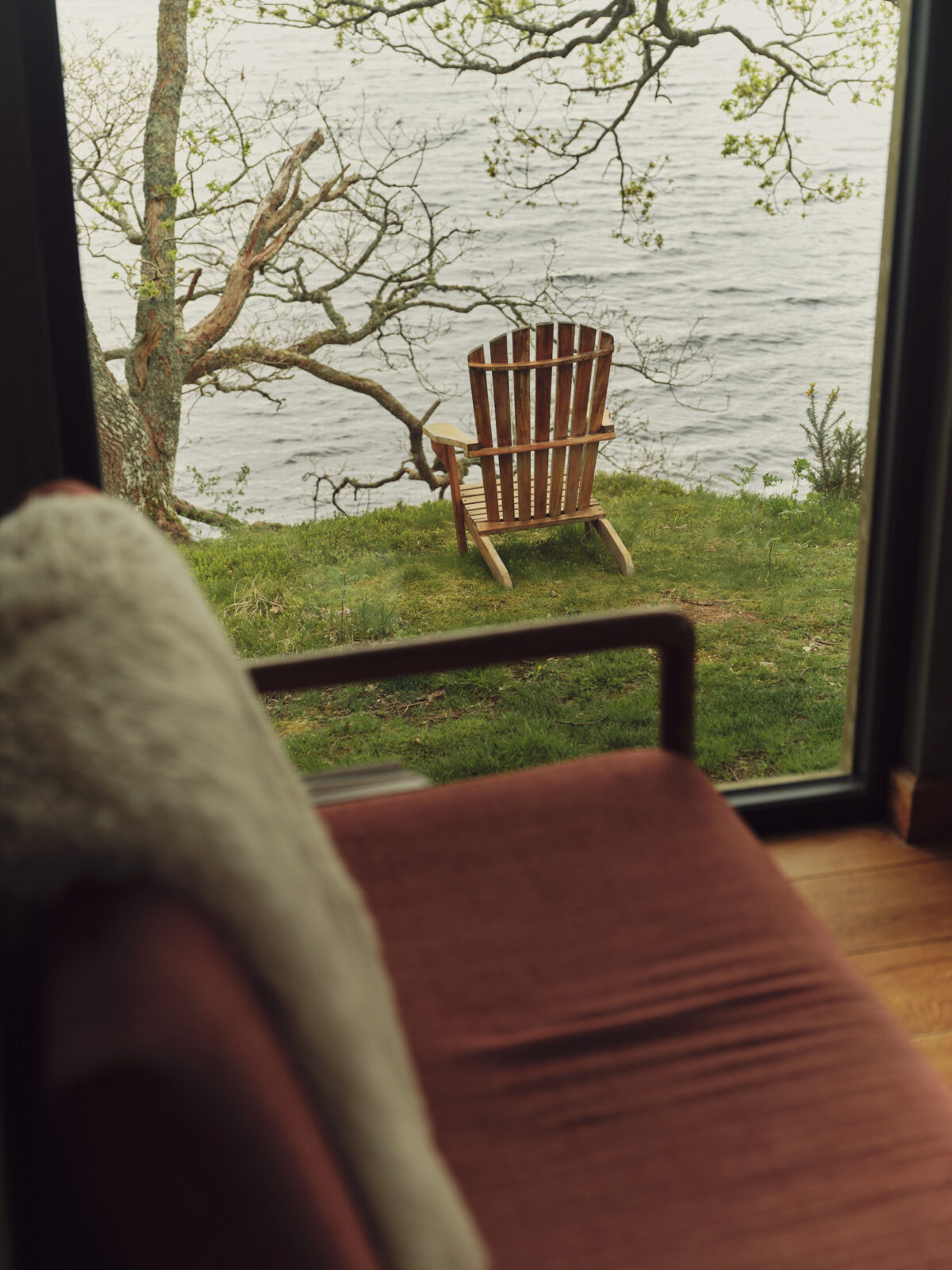
A large glass window looks west to the Atlantic and the islands beyond. I sit at the table, surrounded by simple furnishings as the fire sings with a comforting crackle, heating water for a shower. The light is dying, and the small hut is illuminated by a couple of lamps, but I don’t mind as the words on the pages of my book fade into inky blackness. Before the day is done, I will shower outside beneath the canopy of stars, looking up at the rocky ridge behind.
This is not a traditional bothy (a remote mountain hut for hikers), but a contemporary reimagining of the shelters dotted across the Scottish Highlands. Sweeney’s Bothy on the Isle of Eigg, designed by an organisation called Bothy Project as both a holiday retreat and an artist’s residency, is part of the zeitgeist for tiny, simple spaces. Bothy Project emerged out of the work of architect Iain MacLeod and artist Bobby Niven whose experiences drove them to explore the value of sustainable and small-scale living. Modernity’s noise, complexity and unrelenting demands leave many of us increasingly overwhelmed, and so it seems that we are drawn to places that offer retreat and respite from both physical and emotional clutter.
On the Isle of Lewis, Innes Smith, owner of Hebridean Spaces, says his career grew organically from island life to constructing bothies full time. The Lewis-born builder, who worked alongside his father as soon as he could hold a hammer, started with a couple of bothies and from this the business snowballed. There is something, he says, that speaks to people, as we see the cracks in a capitalist consumerist society and look for something simpler.
His bothy structures – made to order in his workshop at Achmore – epitomise simplicity. Innes drew on his experience on boats where everything must have a function and a place. Inside, the bothies are comfortable but pared down to the essentials. As he says, simple is always best.
Buildings like these evoke a desire for straightforwardness that seems to have been lost in the modern world, and they are intertwined with place and history. Innes says that on the road from Achmore, there are hundreds of ruins, remains of shielings and working bothies that provided inspiration for his structures.
Sweeney’s Bothy was designed in collaboration with artist, Alec Finlay, in response to an old legend of the mad Irish king Sweeney who sought refuge on Eigg. Visitors follow his journey of escape from whatever troubles them. We can’t recreate life in a summer shieling or hut entirely, nor do most of us really want to, but modern bothies feel like they preserve something important about the past of places and people. These small buildings, modern in design and construction, sit in conversation with the landscape and heritage.
You can even see it in the architecture. Innes’ buildings, with clean edges and lines, glued together for extra strength, are beautiful but also a product of the Hebrides’ harsh environment where the sea rages and the wind roars. There are no overhangs that can be lifted by storms and no upright beams propping things up. He says that here posts are designed to hold things down, not hold things up.
That dialogue with landscape and past appeals to people, consciously or not, in small spaces. You feel connected to place in ways that sometimes feel difficult in urban life, or homes designed to keep the great outdoors at bay. In bothy-like spaces, the natural world is invited in like an old friend.
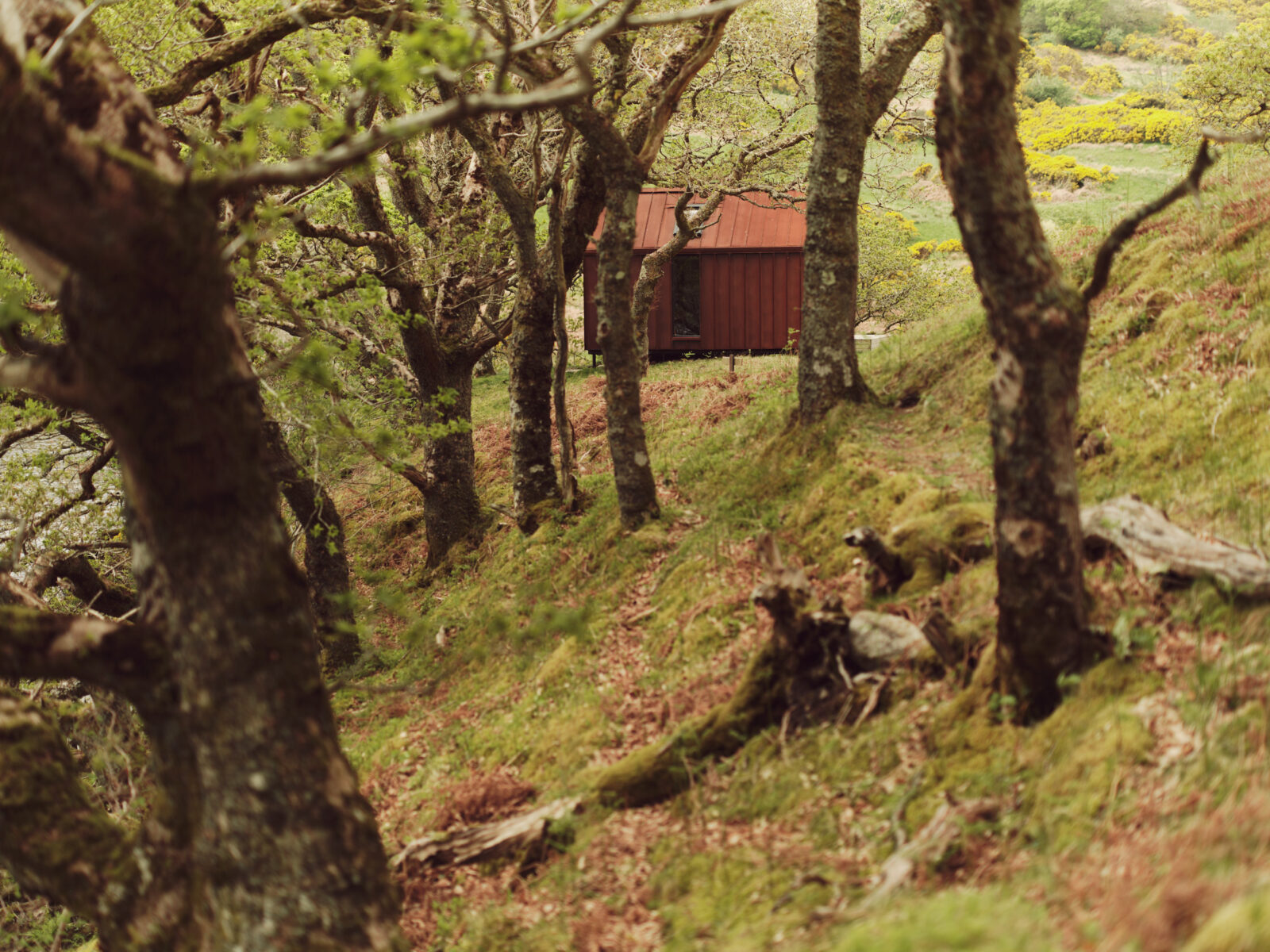
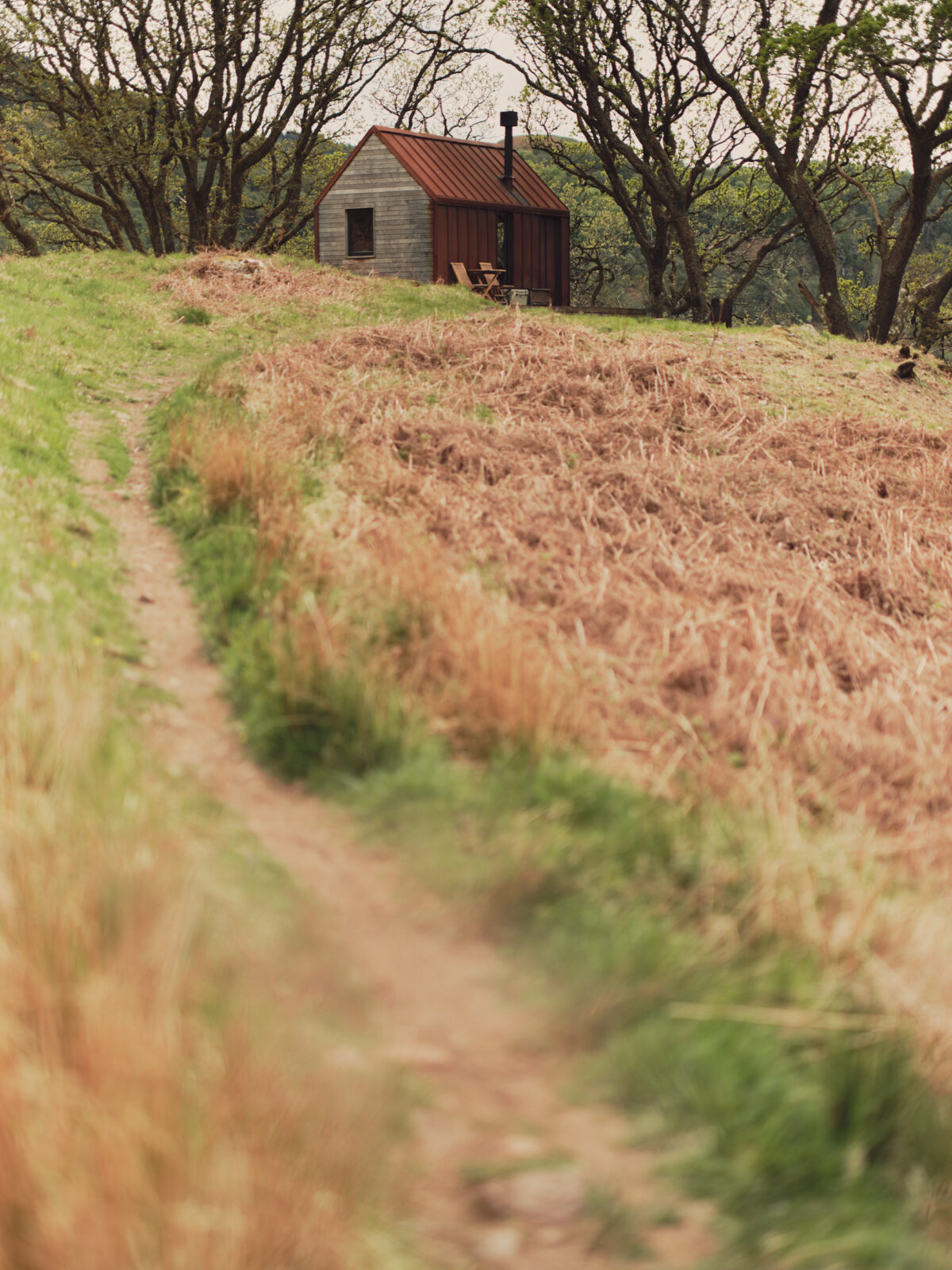
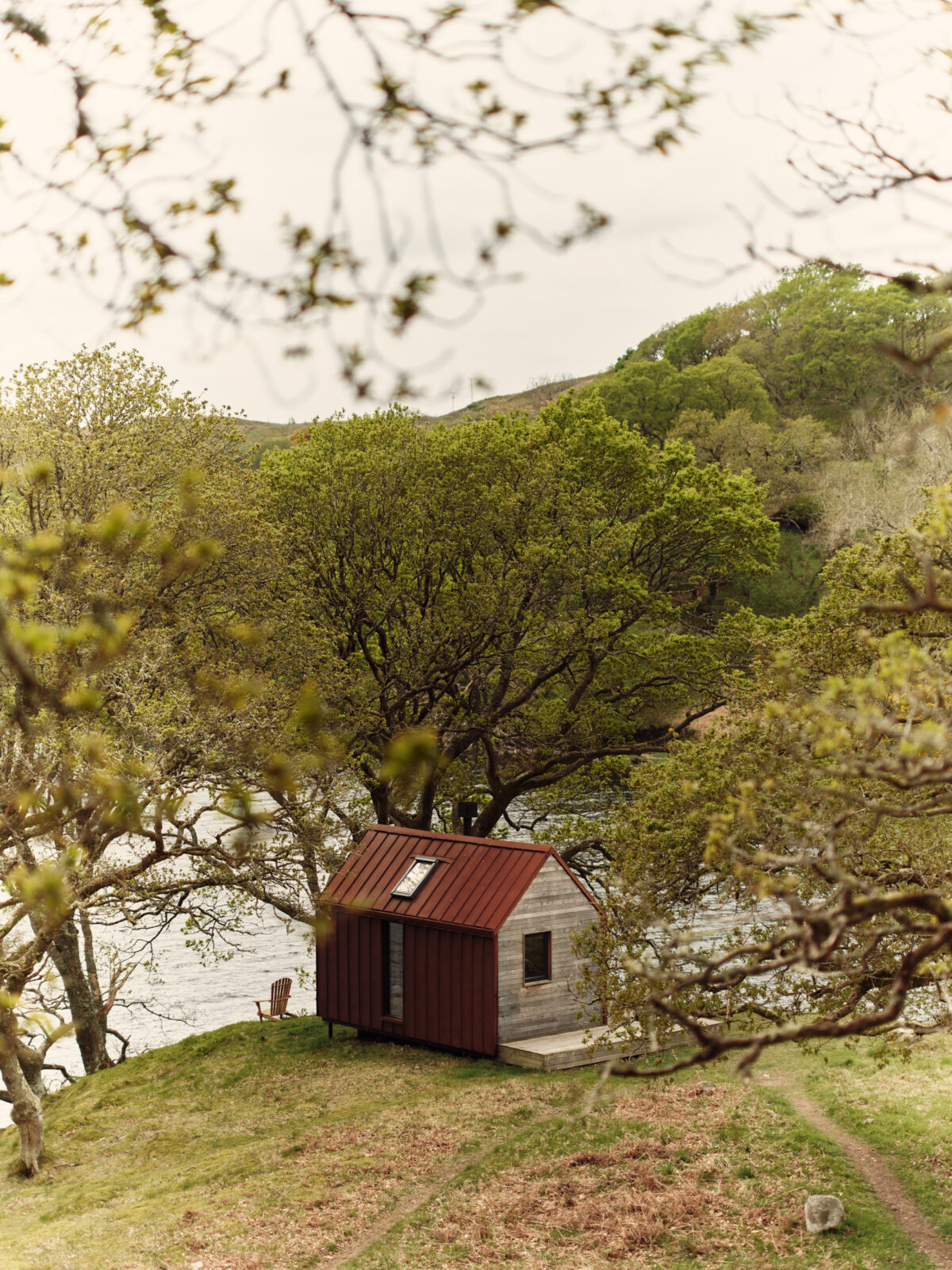
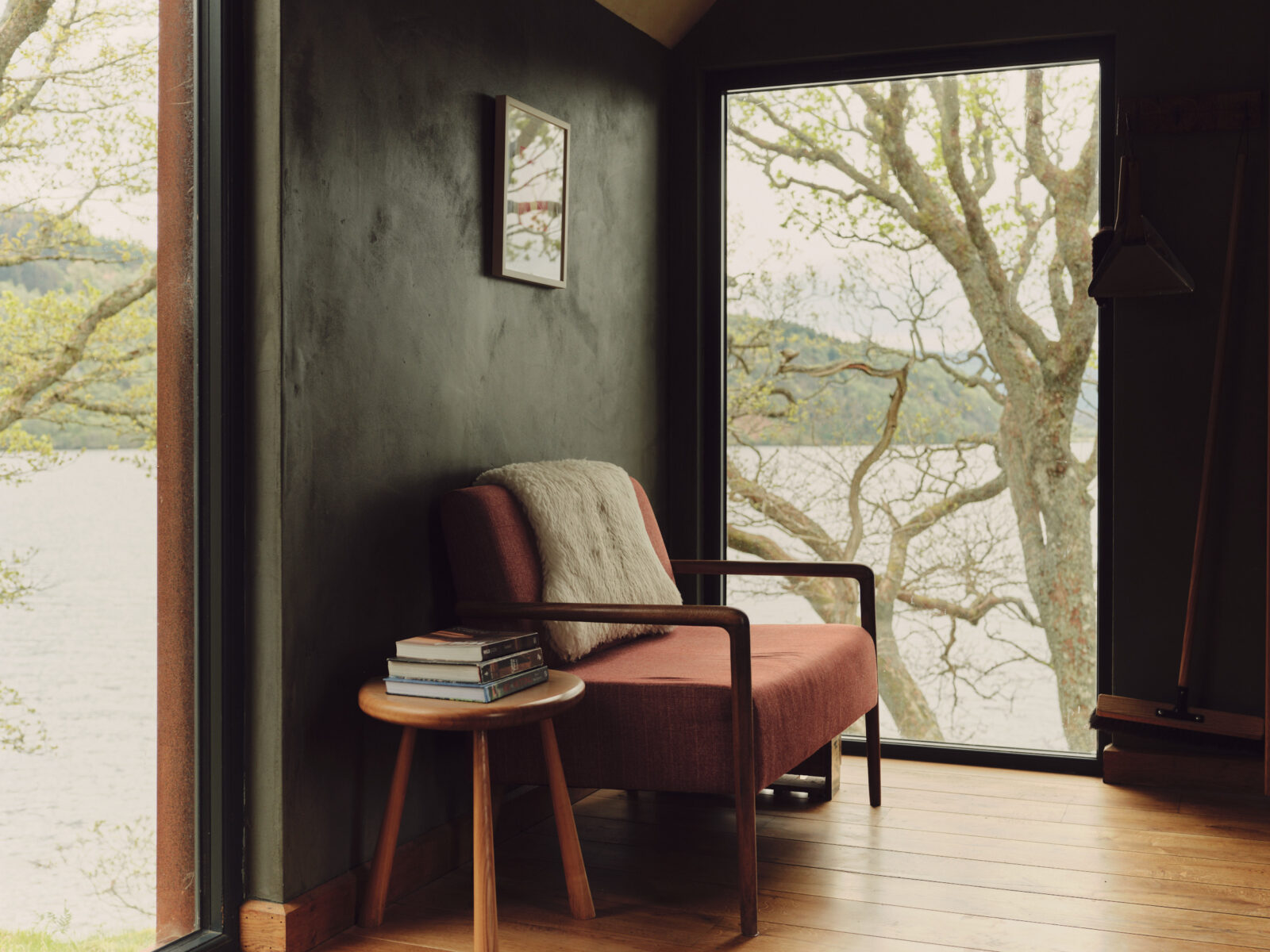
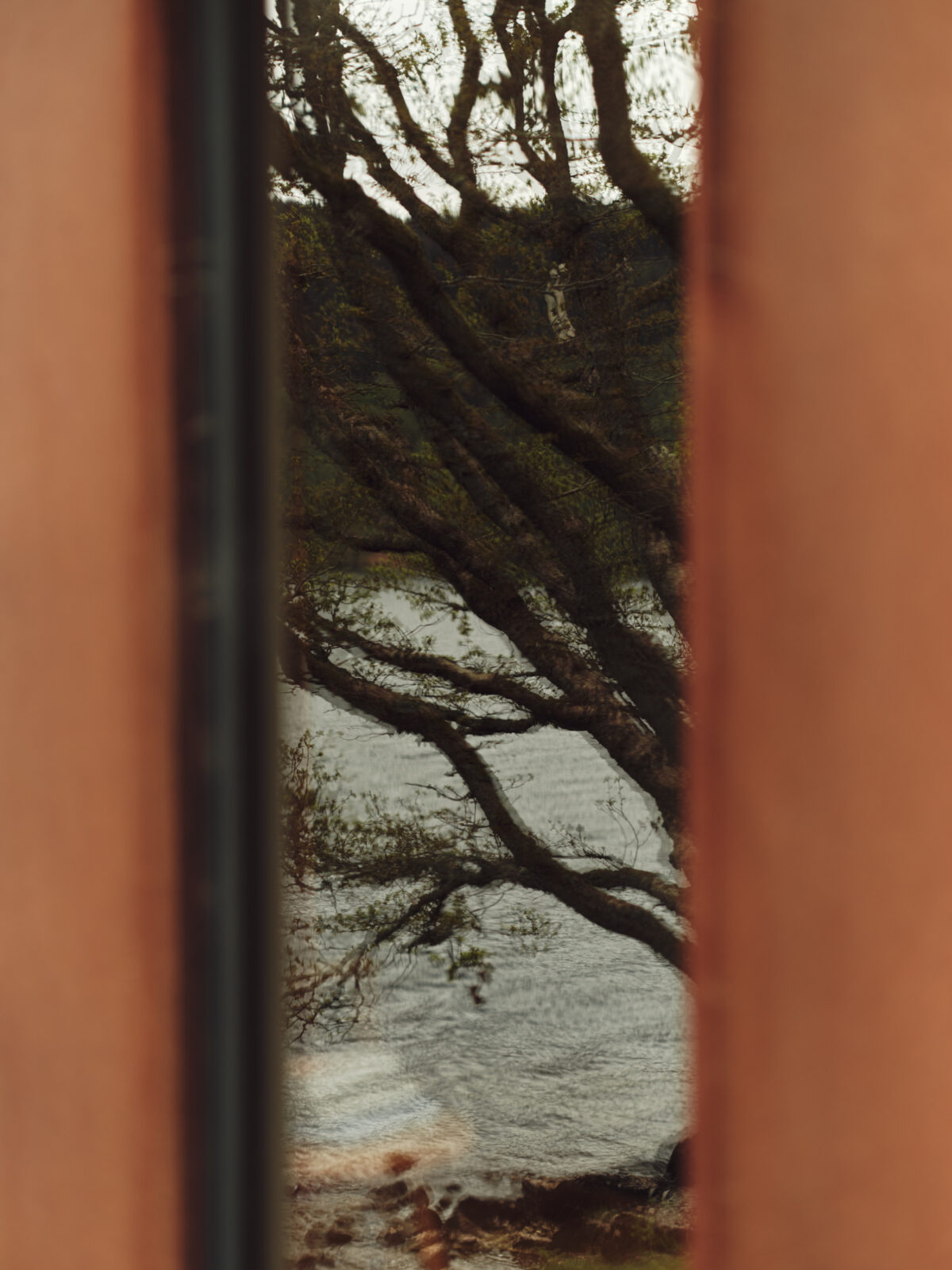
Just south of Oban, three modern bothies offering “rough luxury” and seclusion for holiday-goers sit on the edge of Loch Nell. Owner Lupi built the first bothy, a design from Bothy Stores which is the commercial arm of Bothy Project, on land which has been in his family for generations, positioned in an idyllic position overlooking the loch. It was a homage to his memories of camping out and seeing stars. The outside seems to seep into Uisge Bothy, whose name means “water”. Large windows frame the view of oaks, gorse and glittering water.
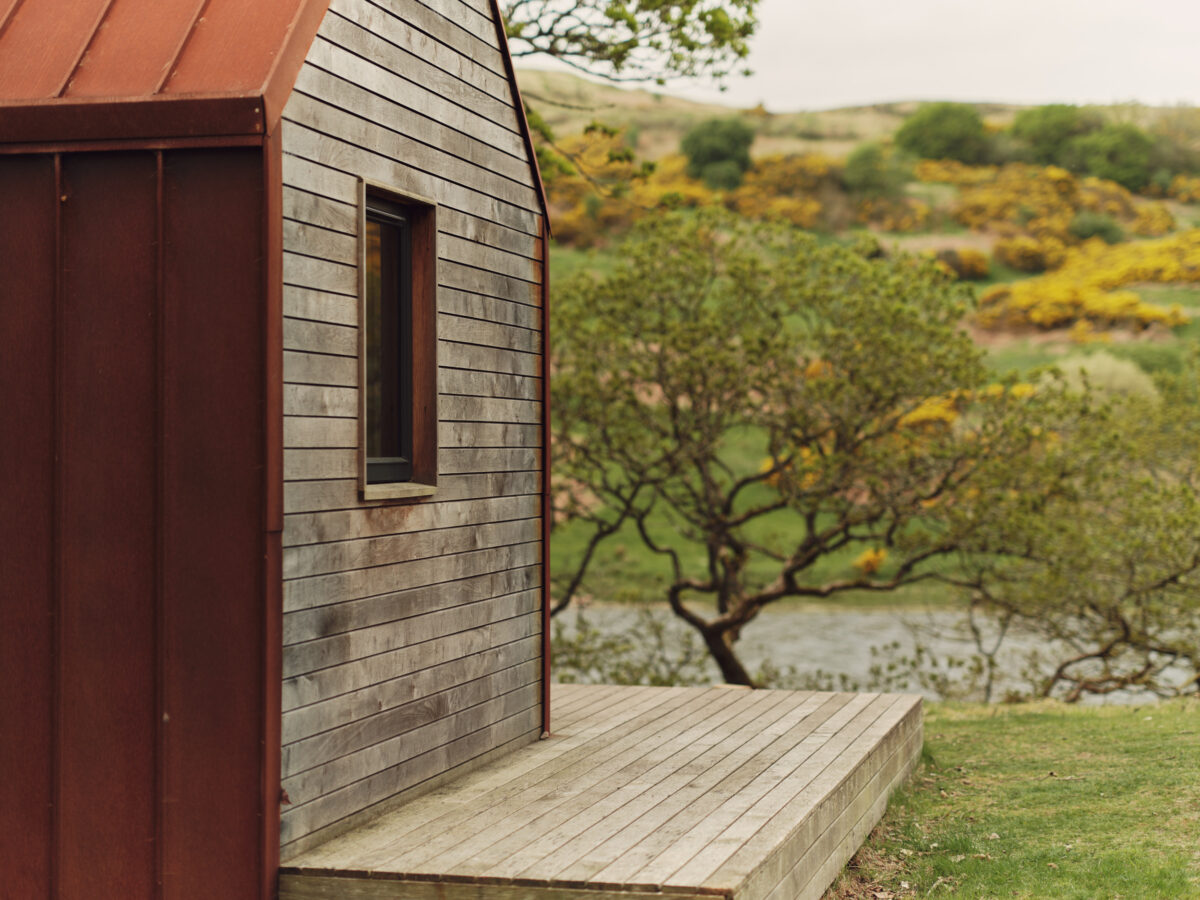
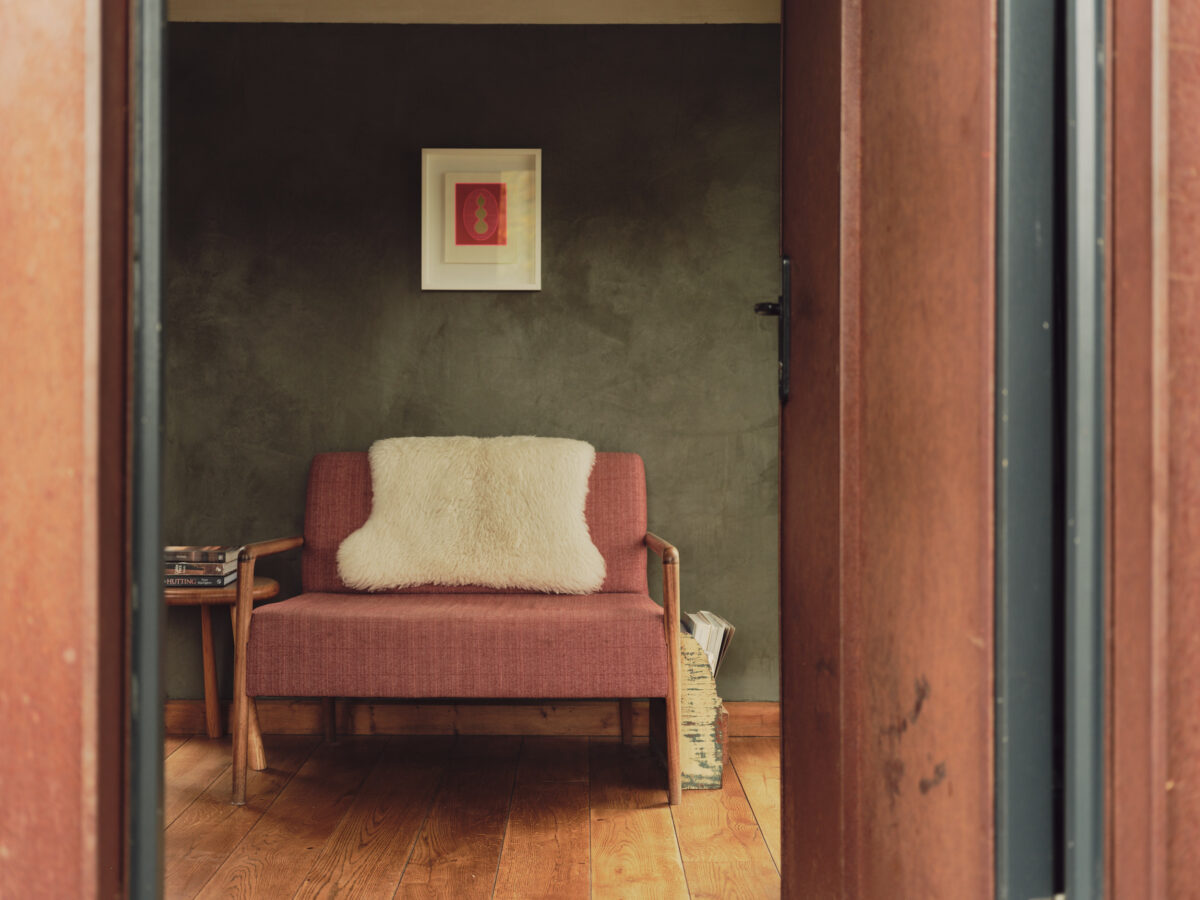
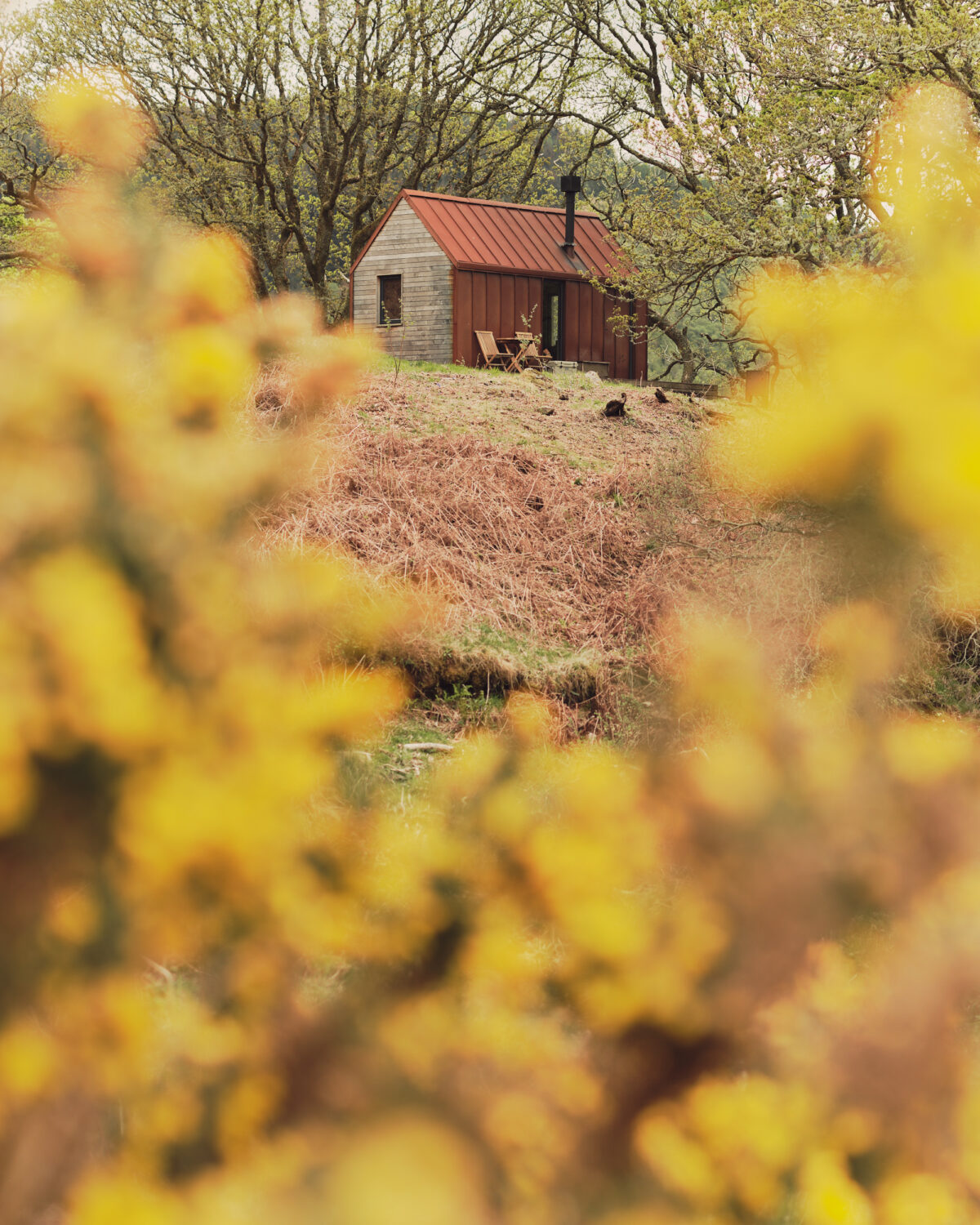
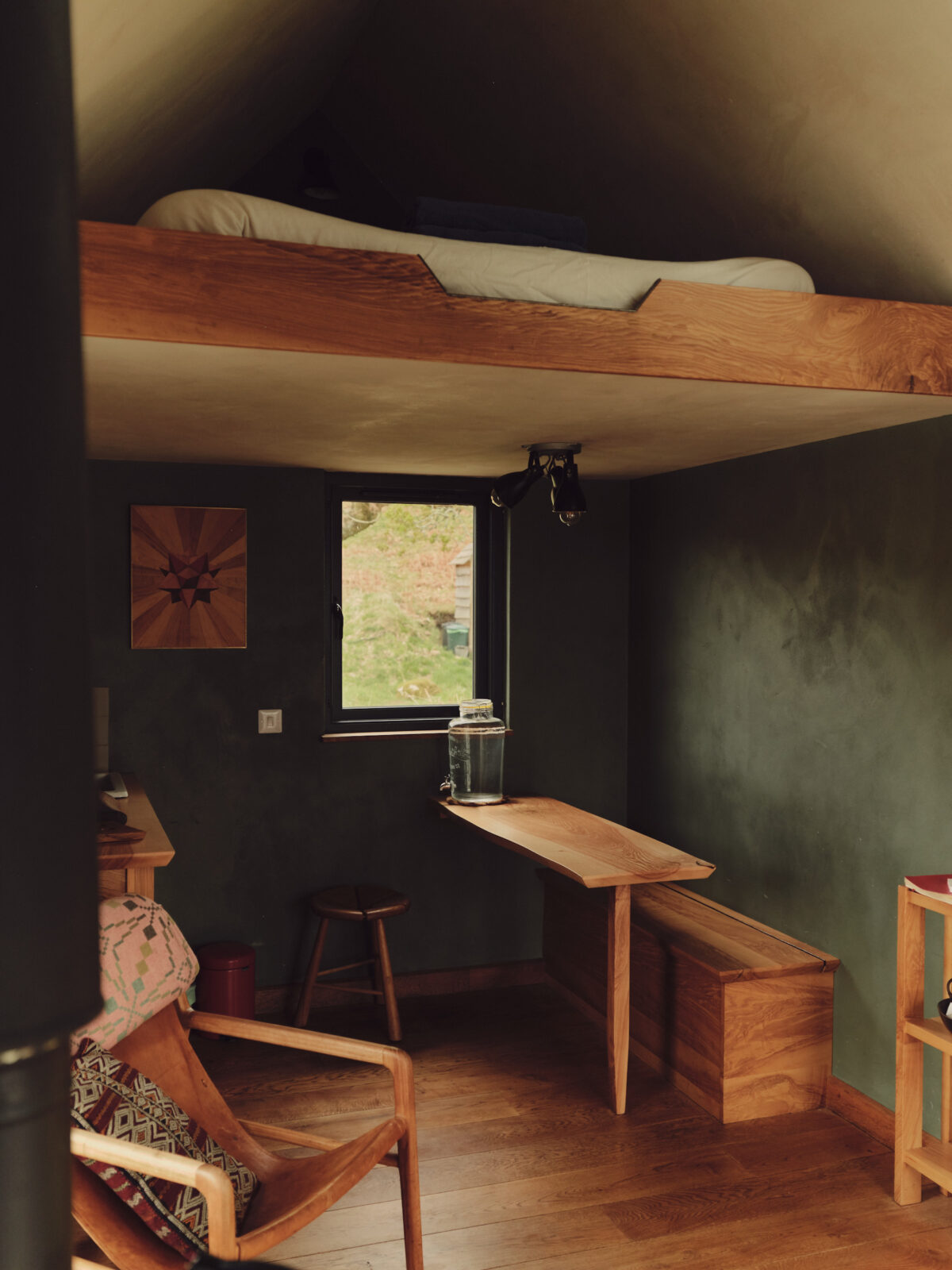
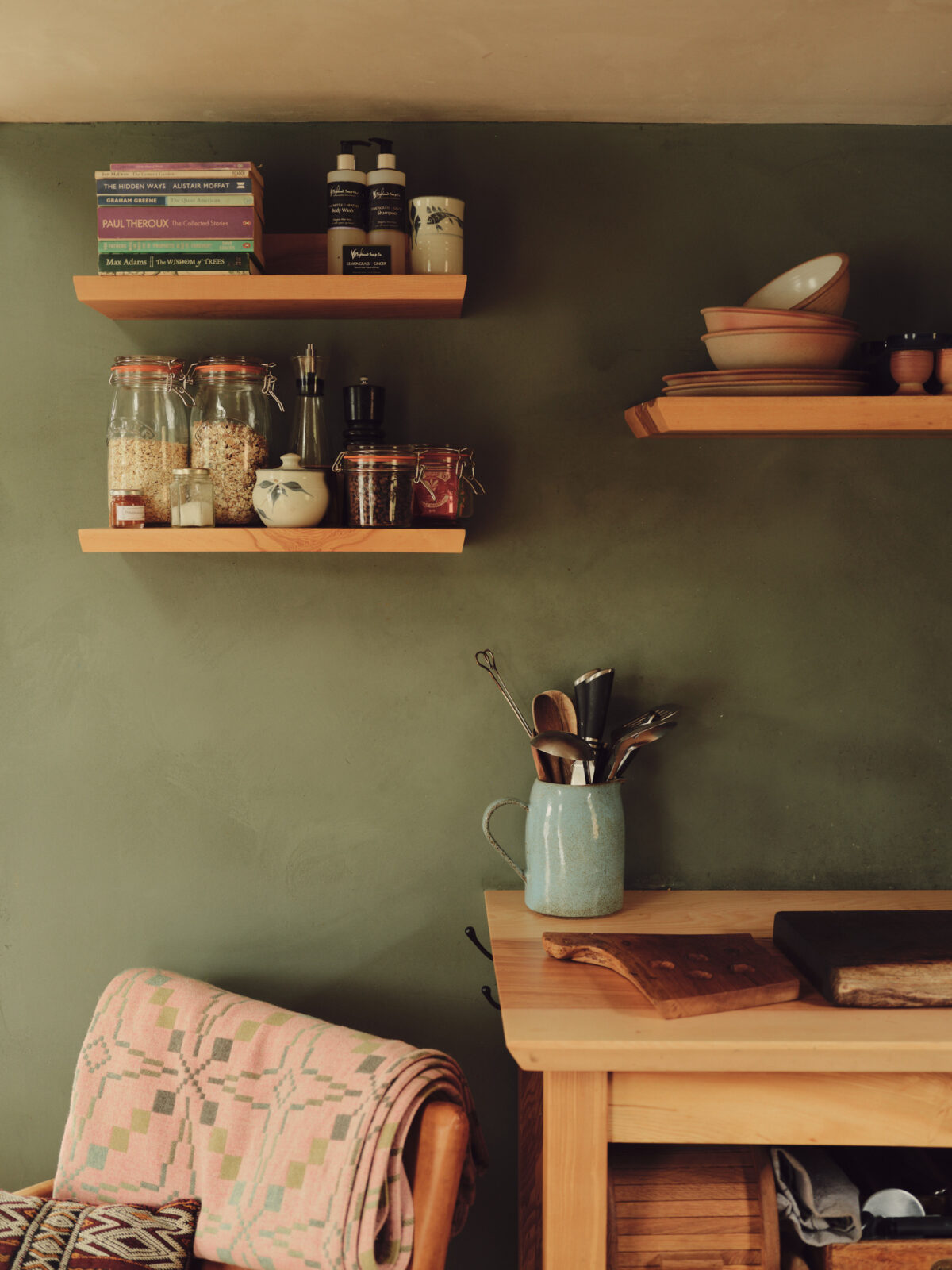
Inside Uisge, the furnishings are unpretentious while extremely comfortable. A sleeping loft, small kitchen and cosy living space encourage reflection, rest and creativity. There’s something about a small space that invites care, as there’s nowhere to hide clutter and a certain delight in keeping it tidy.
Things seem simple but not because you have nothing to do. There’s a fire to light, water to boil, food to prepare – a relaxing rhythm to the care you take over yourself and the place. You have to think about daily tasks more carefully because things don’t appear at the touch of a button, and you become conscious of your impact on the environment. Dee, the manager at Inverlonan, said the outdoor shower – a special bag filled with water and then hung from a head – often acts as a gentle reminder that resources are not unlimited.
I am always struck by how people express themselves, given the chance to reflect and to think. I saw this in traditional mountain bothies, but it’s the same in places such as Inverlonan. The guestbook is full of expressive notes or sketches from visitors who have escaped their hectic lives for a few days. We idealise the desire to run away into the hills to create artistic works. It’s not a reality for most but we all feel more creative when we have time to pause, to consider, to rest.
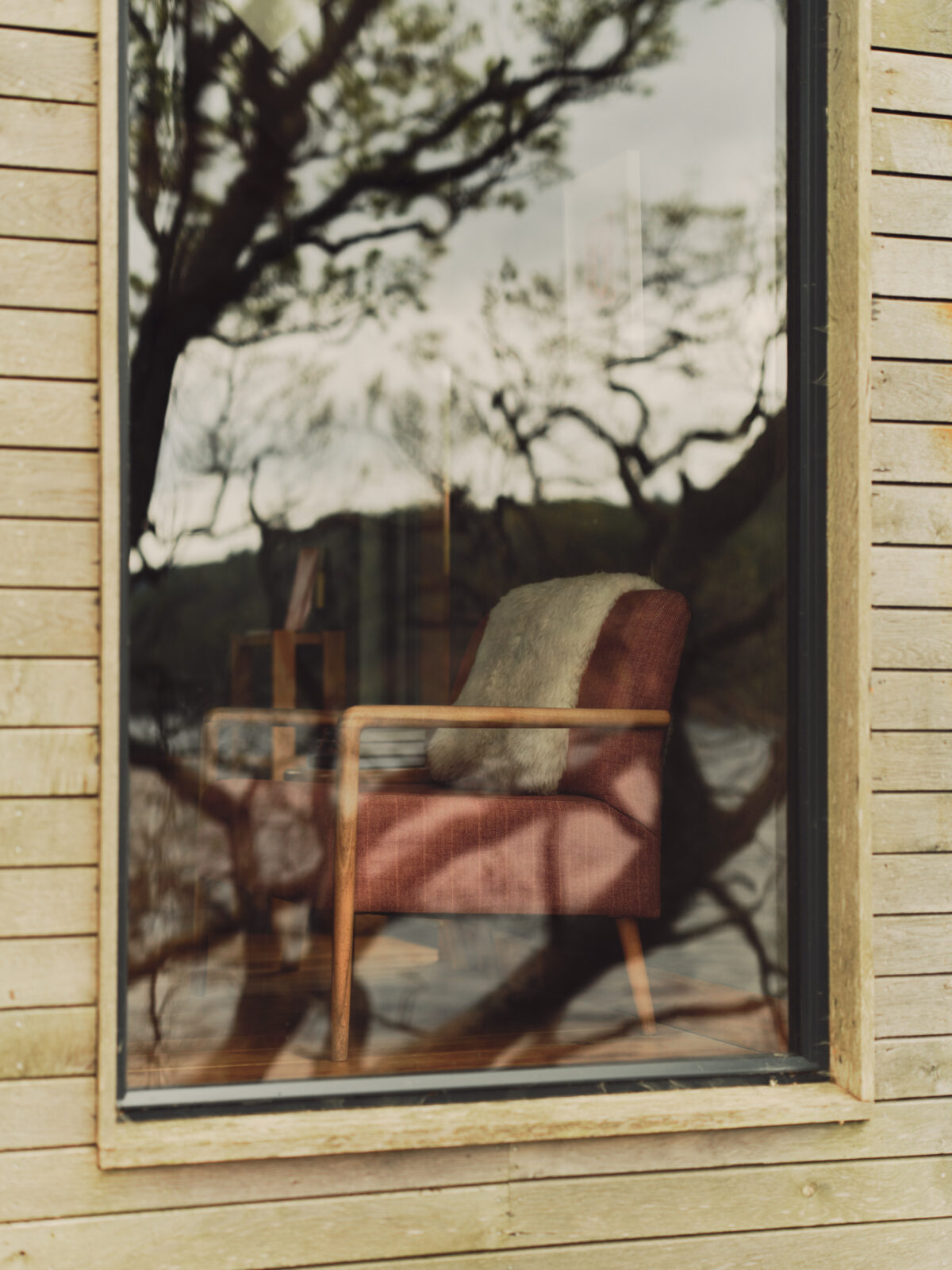
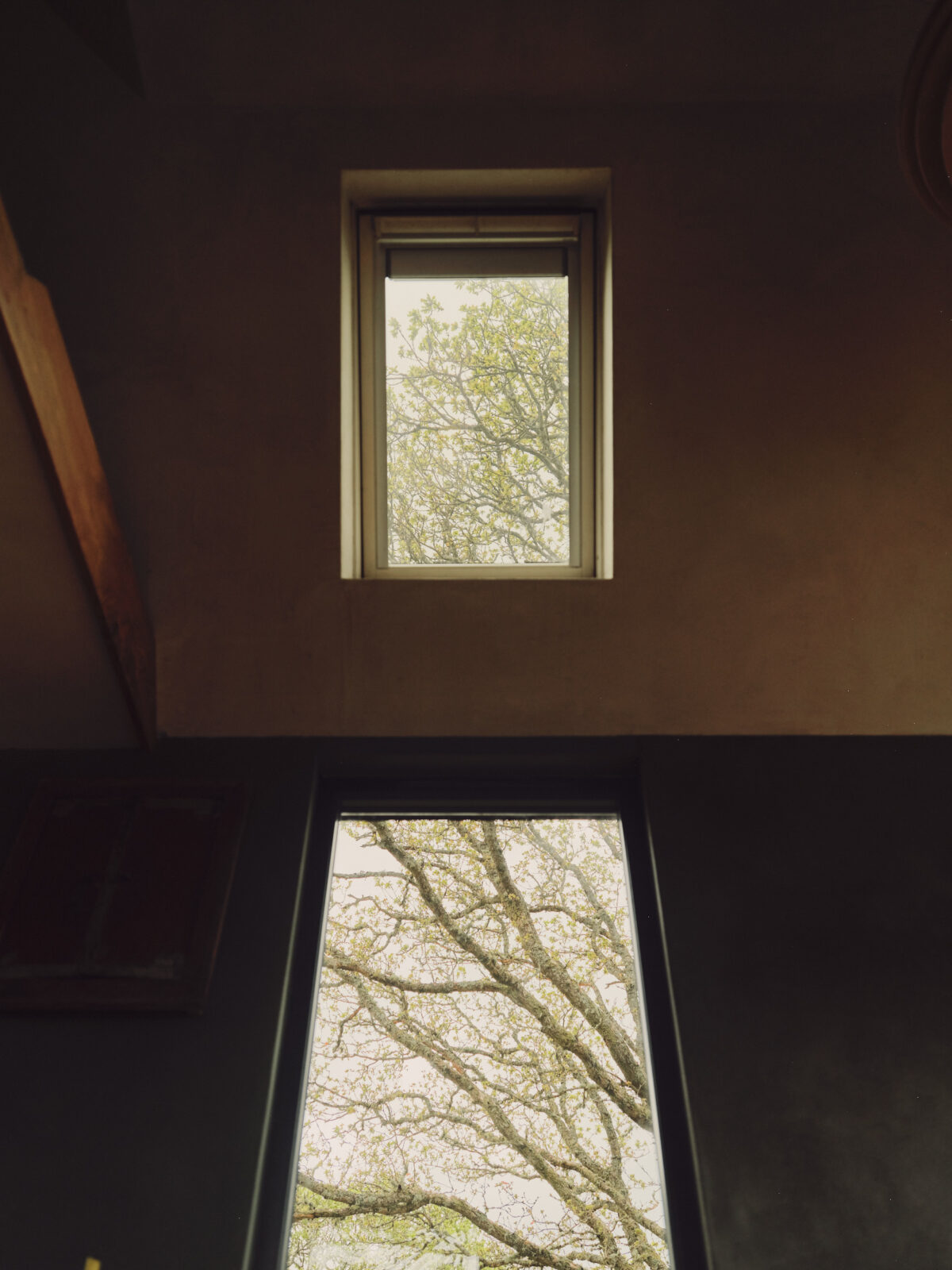
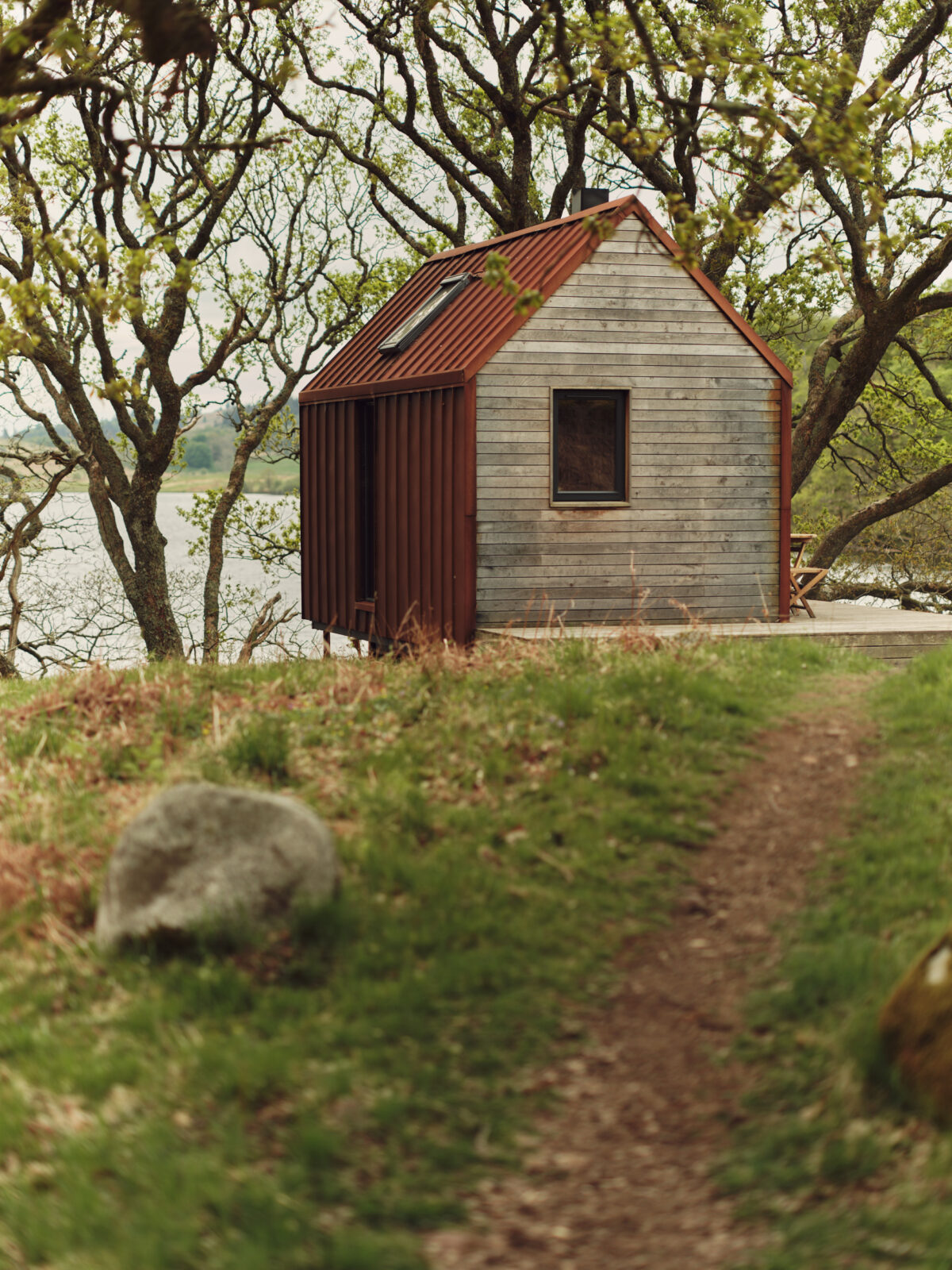
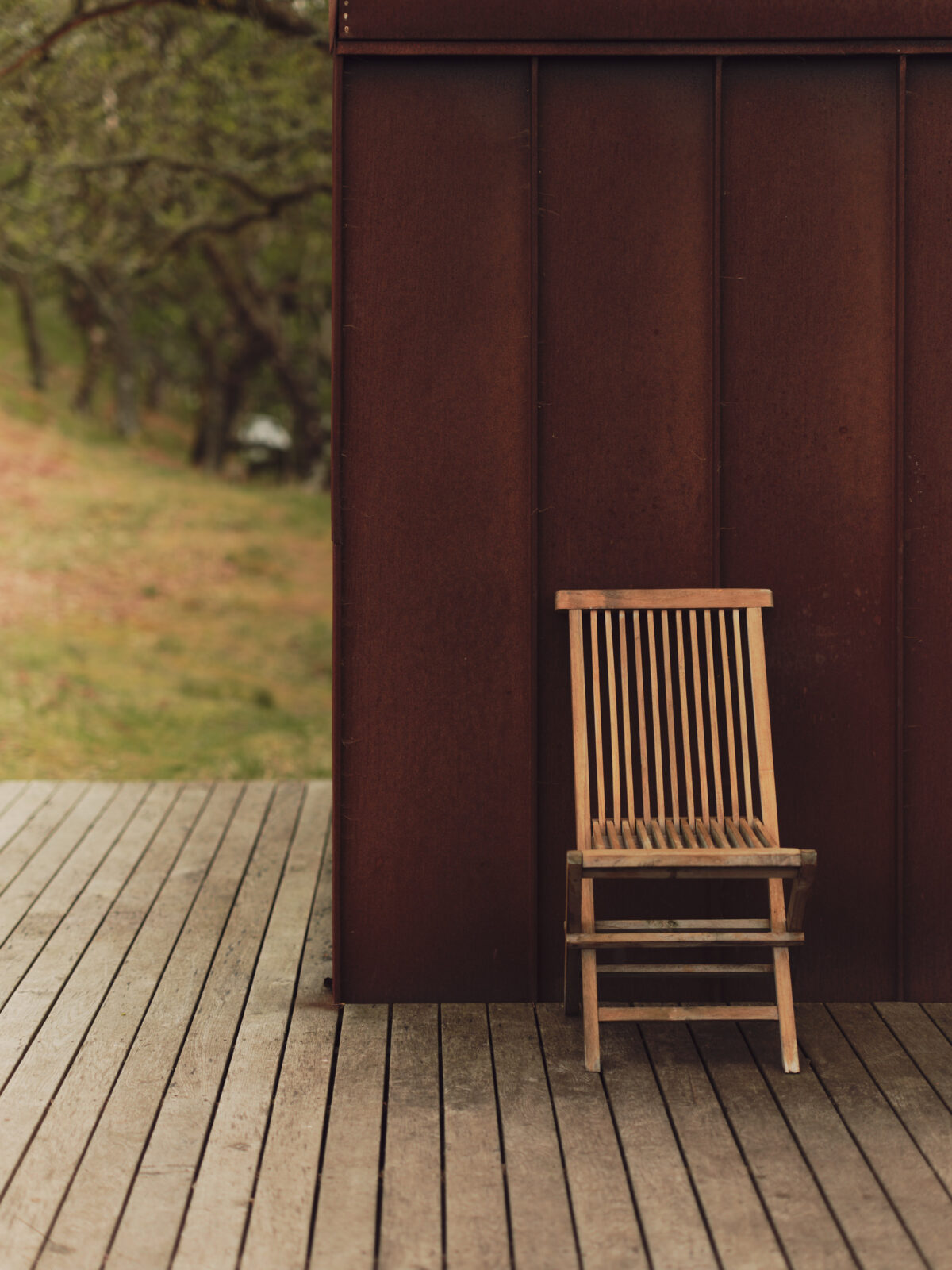
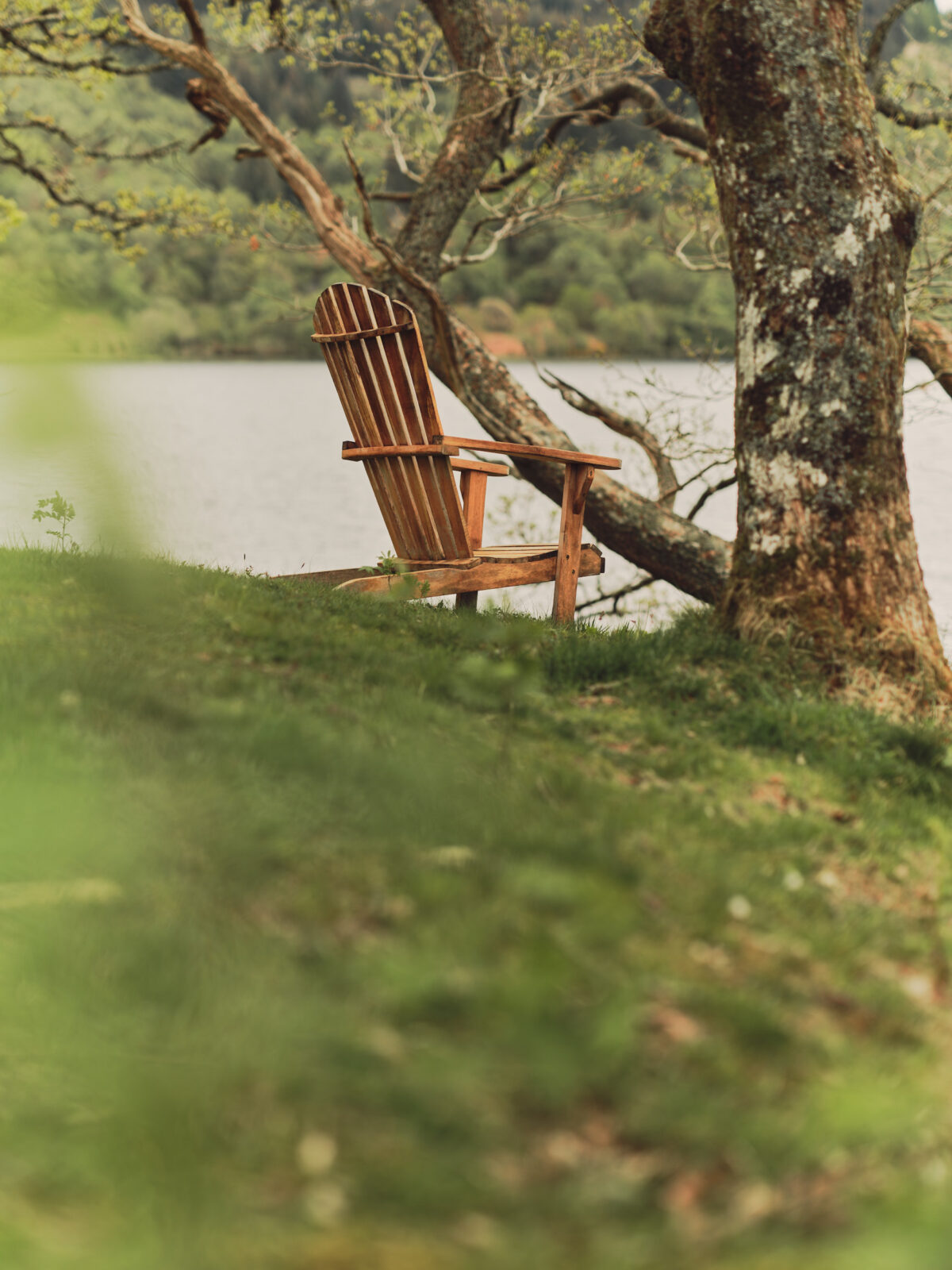
Inverlonan is full of places to sit. You might wait for a moment at the table on the deck, nestle in the armchair with a book from the carefully selected library, or recline in the chair positioned at the water’s edge as you listen to birds.
It would be easy for hardcore hikers to laugh at the modern luxury bothy, but not everyone wants or can get to mountain refuges. But the contemporary bothy offers something similar to those rough huts in the wild: a chance to shelter from anxieties, to connect with landscapes and to experience a simpler existence, if only for a few days. As Innes says to me, it’s a reminder of what you have and what you need.
‘Bothy: In Search of a Simple Shelter’ by Kat Hill is published by William Collins.


