We time: Architect Je Ahn's re-made barn on the Isle of Wight
February 13th, 2026
February 13th, 2026
Words Kate Jacobs
Film Divided by One
Photography Nick Ballón
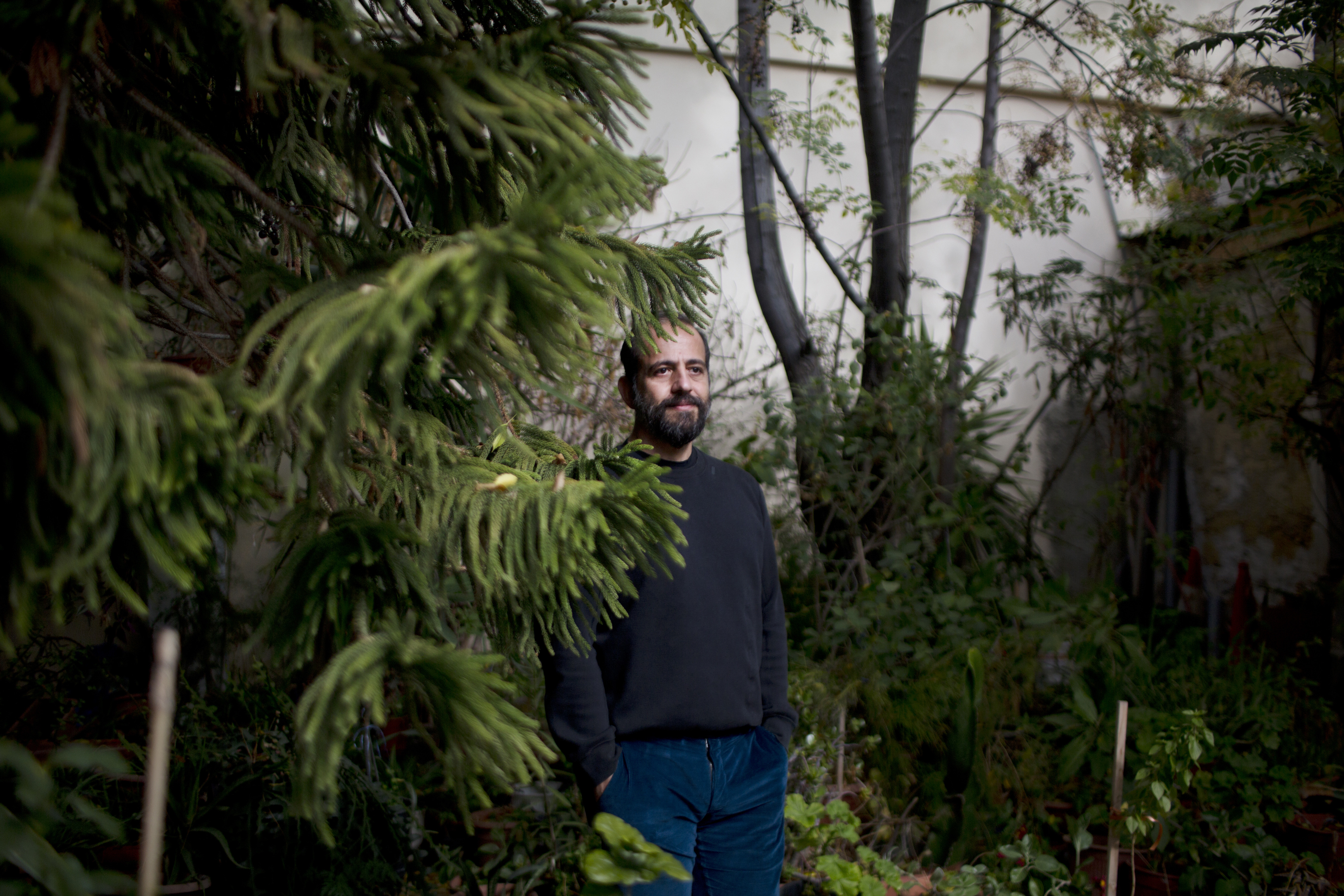
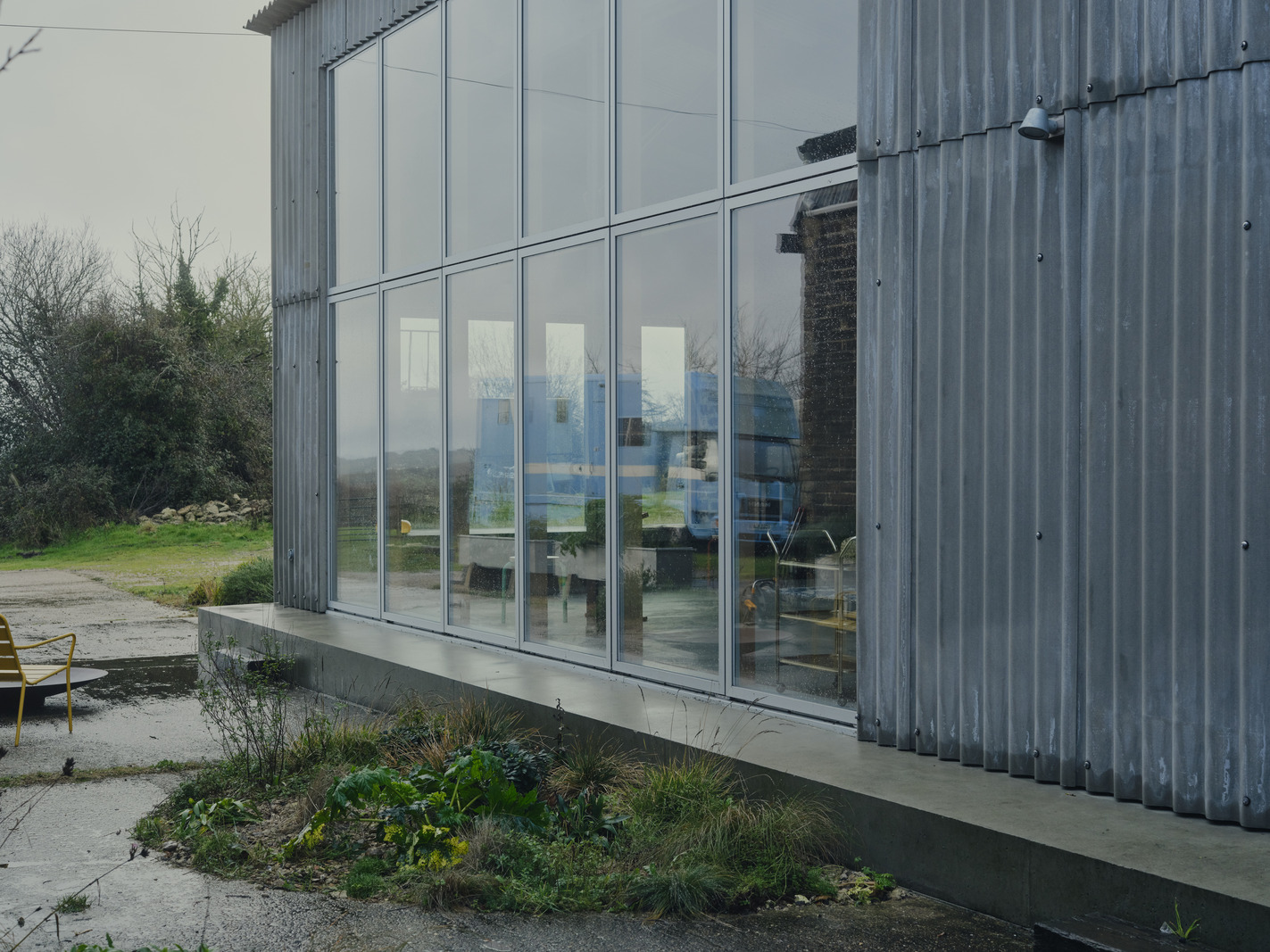
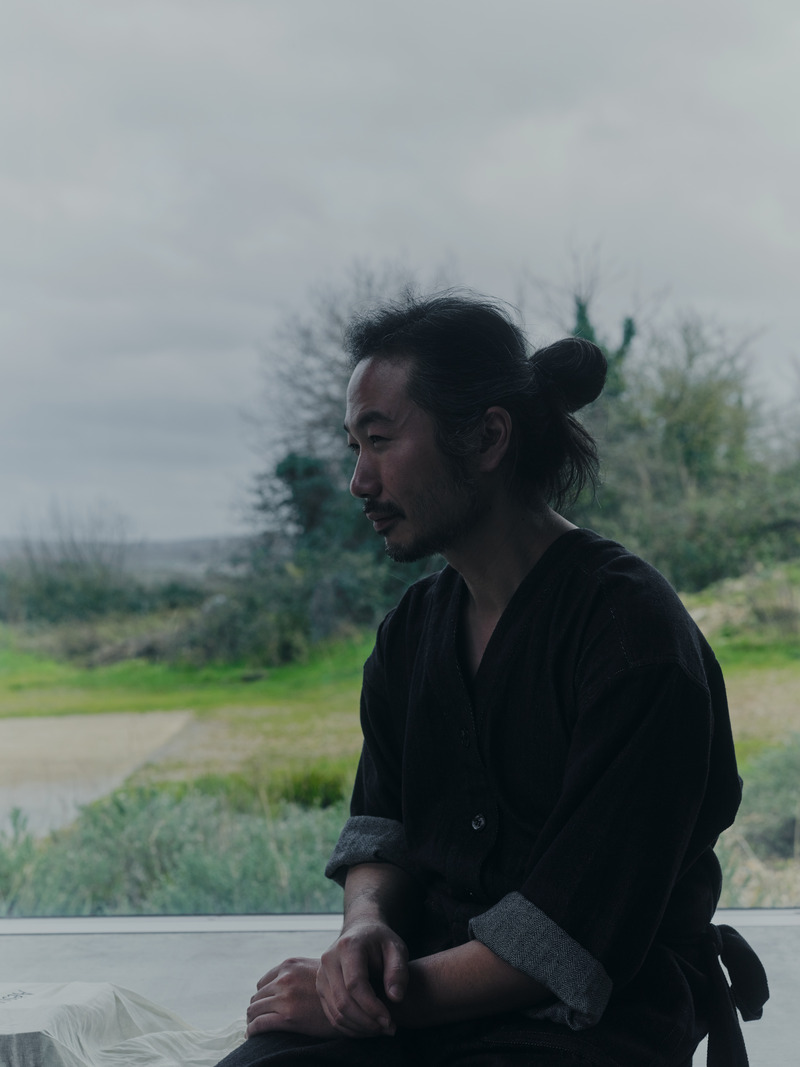
A keen sailor, Je has been spending time in Cowes for many years, staying with a friend who was brought up on the island and has converted another barn nearby. He told Je about this place, then a hay barn, and Je went to take a look at the end of 2020. “The barn was big enough, it was next to my friend’s place. It was close to town, but far enough from town, with a great view, and the price was right. Although a lot of my non-architect friends said, ‘What are you doing?!’ when I showed them the photographs,” recalls Je with a smile. Those same friends are now enjoying the benefits of his vision. He loves to open this house to guests, who typically stay for a few days, enabling a certain kind of slow, relaxed entertaining, where everyone can settle into each other’s company. “I really like spending time with people. I find the ‘me time’ concept slightly odd.”
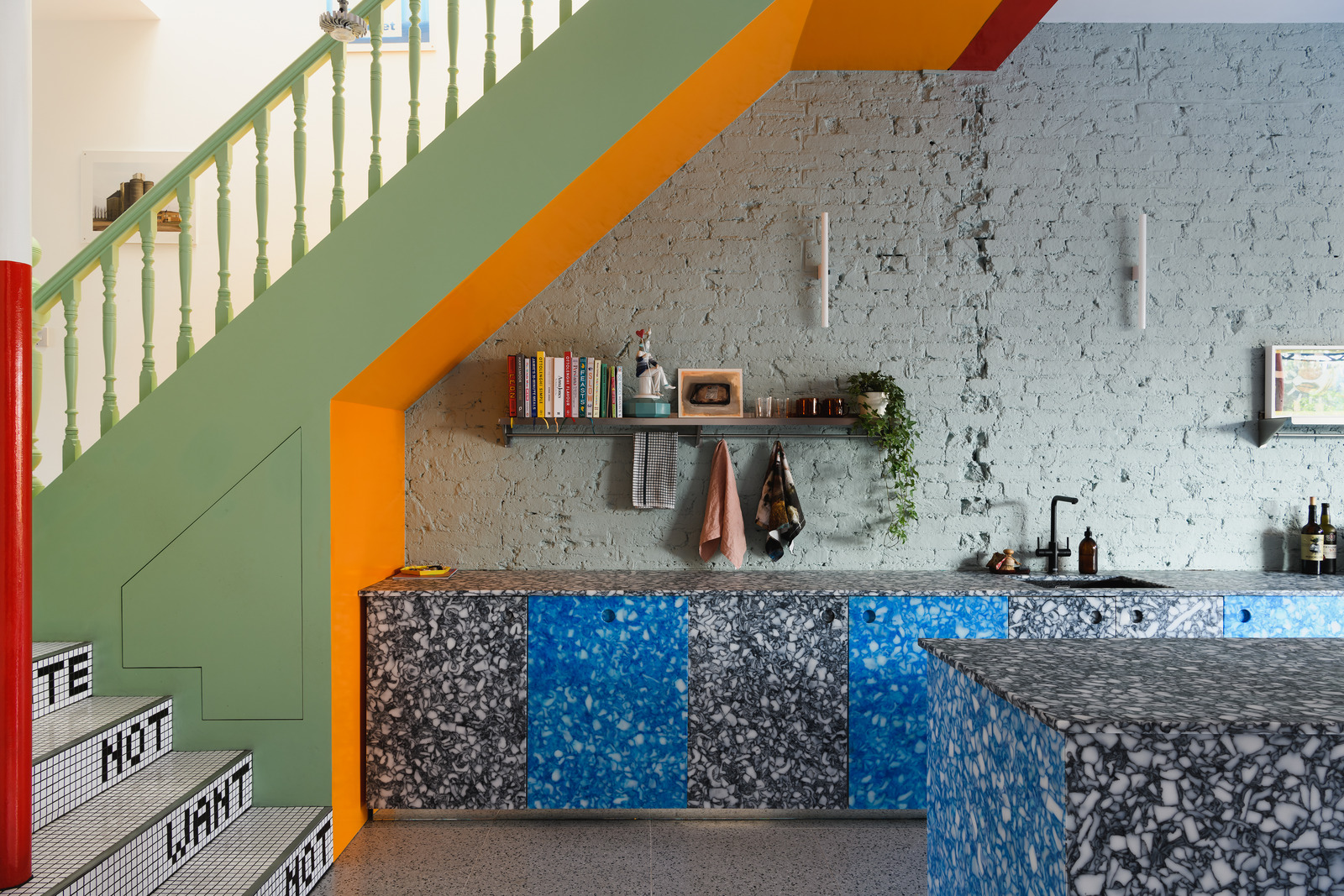
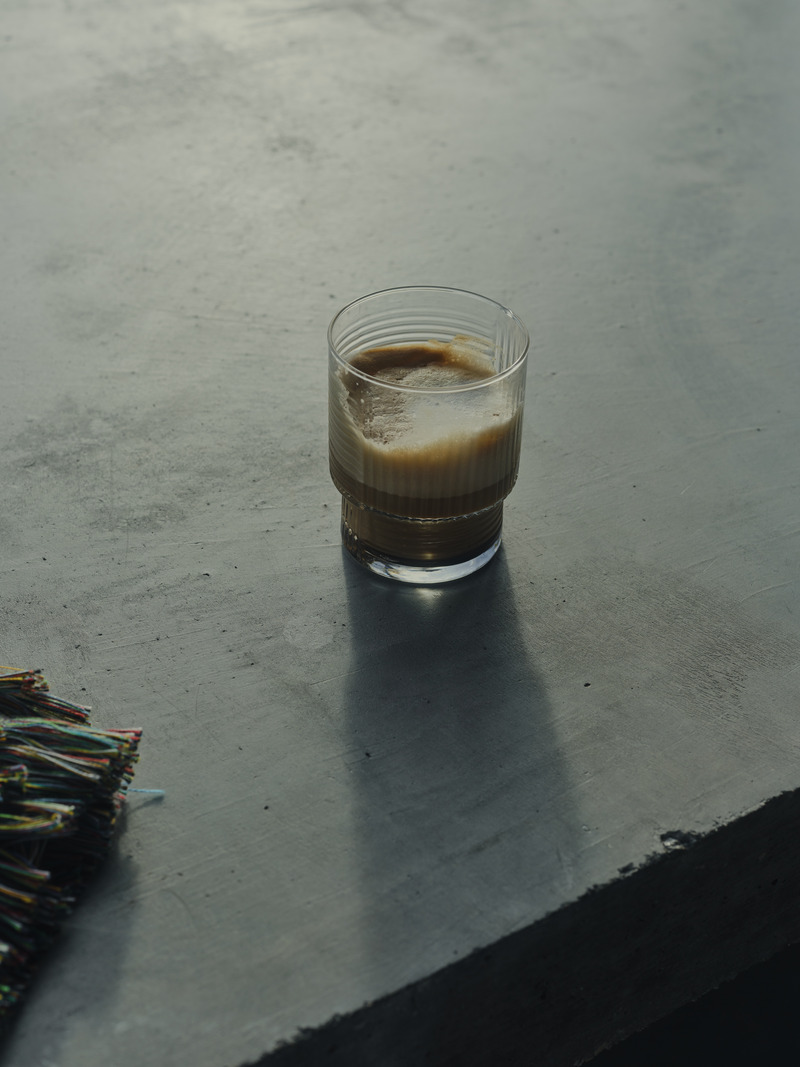
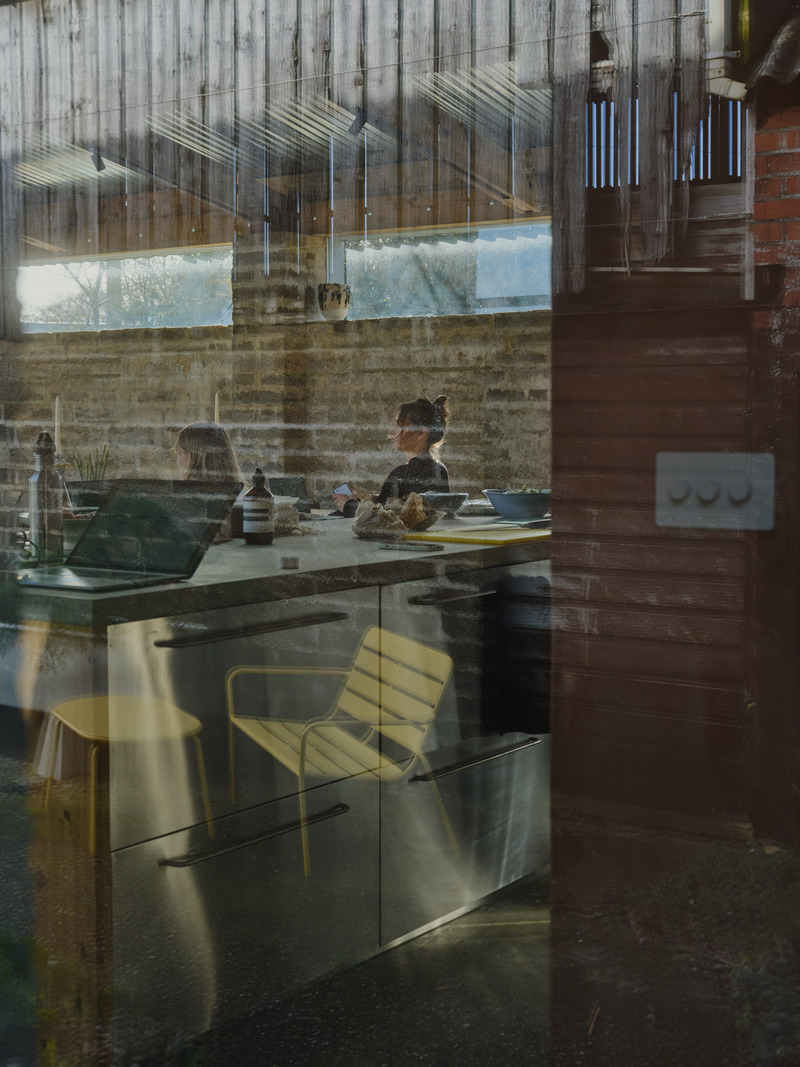
“When people come round, I show them the outside first, the garden and beyond. The barn is on a working farm, so I’ll tell friends about the etiquette of that, show them inside and let them settle into their rooms while I prepare some cocktails for us all. Then people tend to gather round the kitchen prep table for drinks, and we prepare a meal together before sitting down to dinner. My mum's a great cook, and growing up in Korea we spent a lot of our time in the kitchen. I love food, sharing food, feeding people, and anything related to the rituals of food and drink.
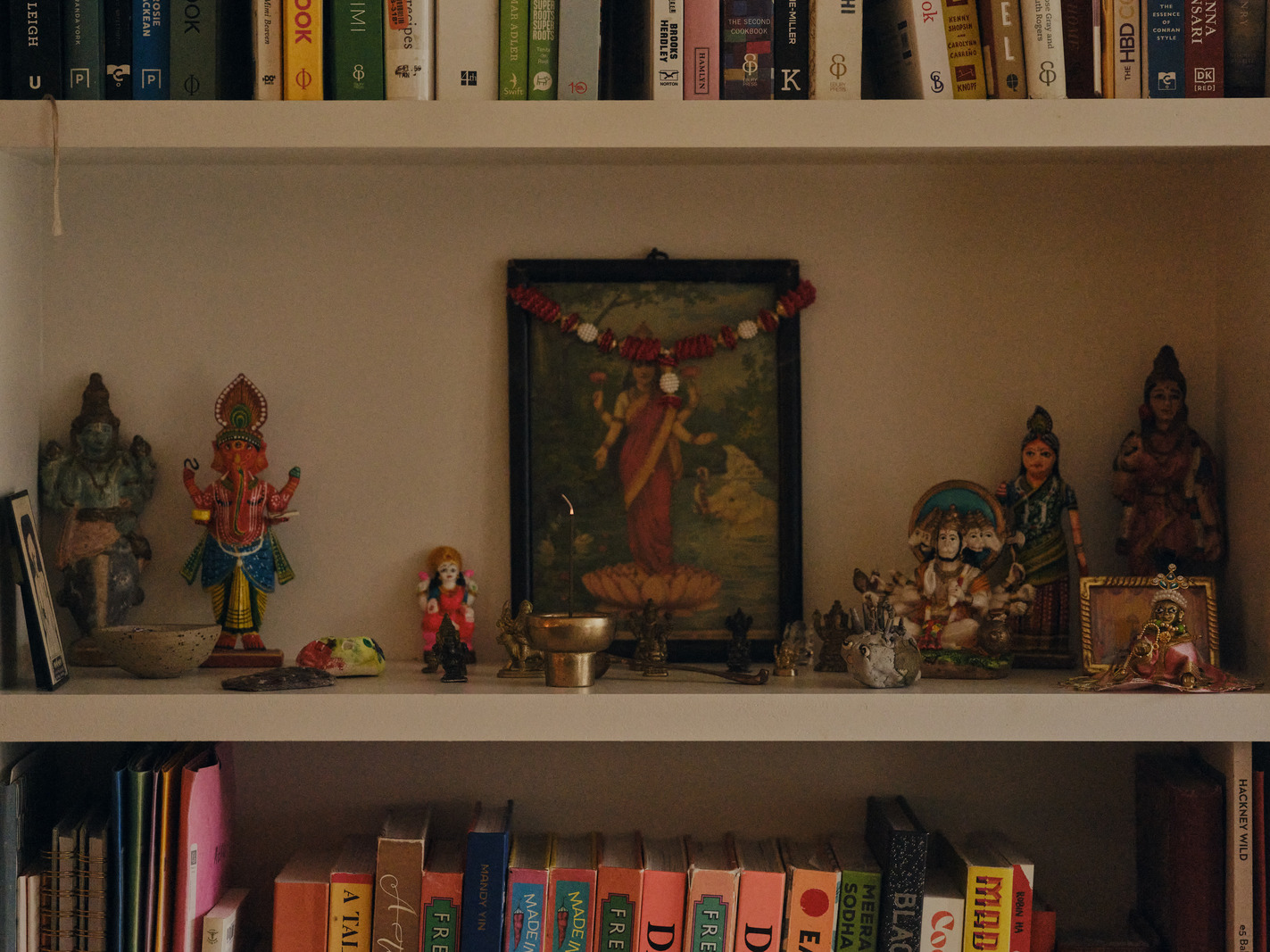
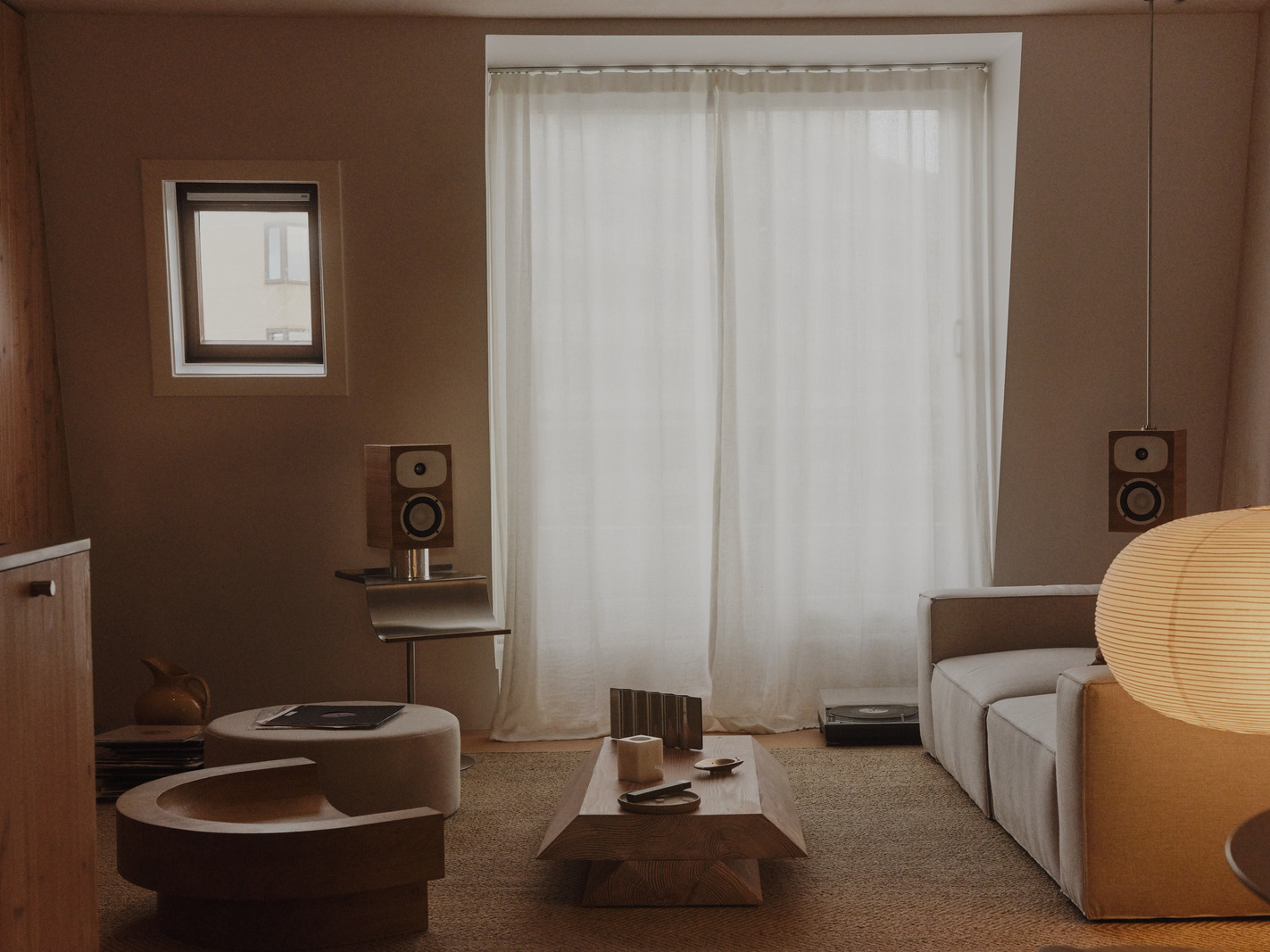
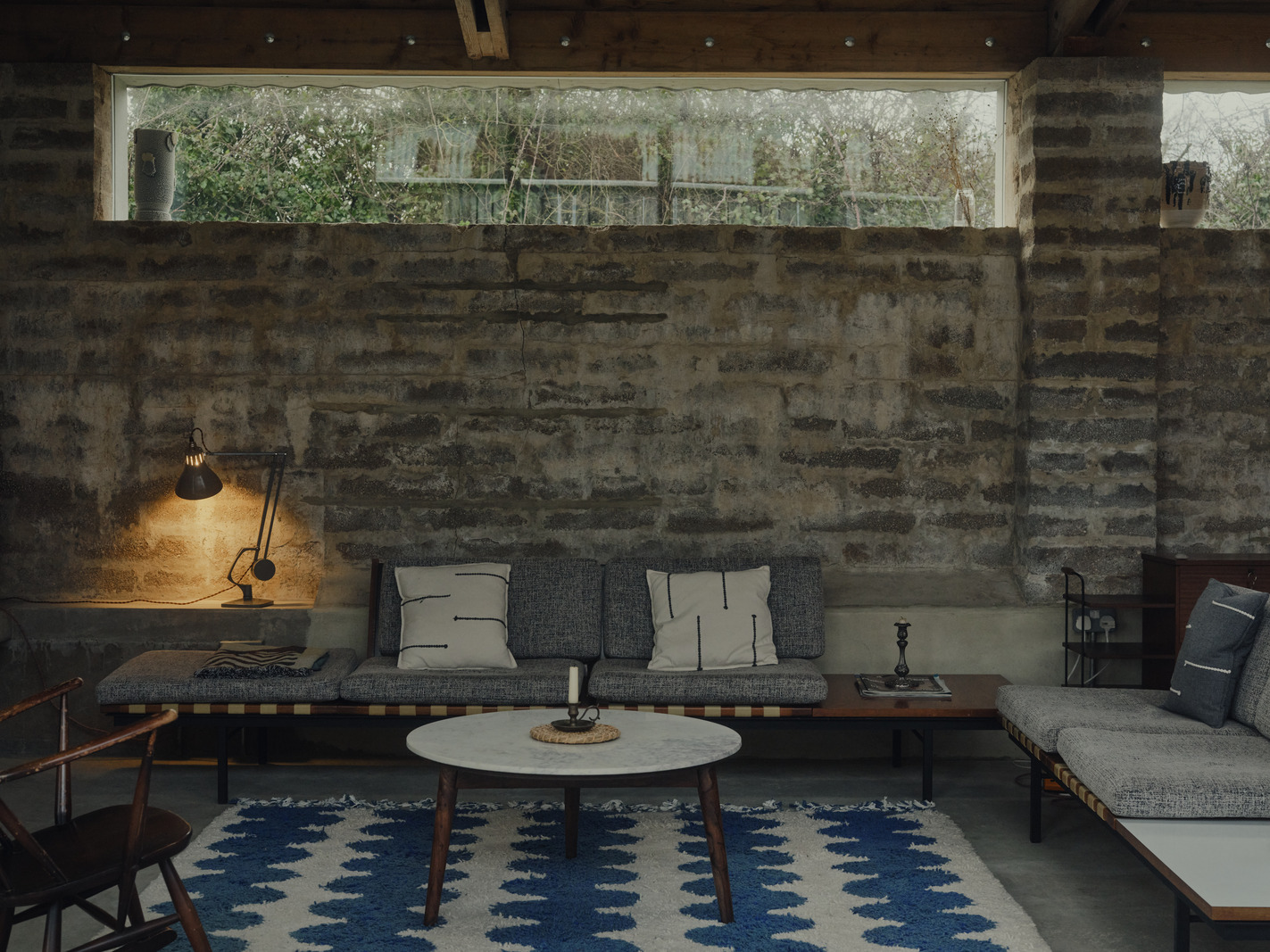
“I like to use a lot of candles here, and I have a collection of candle holders: silver, brass and ceramics. I tend to use unscented beeswax pillars while we’re cooking and eating, so that the fragrance can come from the food. After dinner I’ll light scented candles, choosing gentle fragrances like lavender. Depending on how we feel after dinner, we might move into the main space and listen to some vinyl. Music is very important to me; I have some good, sizeable speakers and I made sure the acoustics were great here. What I play is completely dependent on the mood, I’m an omnivore when it comes to music. I’ve had a full DJ set here with about 50 people dancing like mad. But equally, in the daytime it’s very calm. We might do some yoga in the main space, and we go for long walks, then just sit around the wood-burning stove and chat, read, and watch the weather unfold outside. I really like when friends come here and become so comfortable that they just do their own thing.”
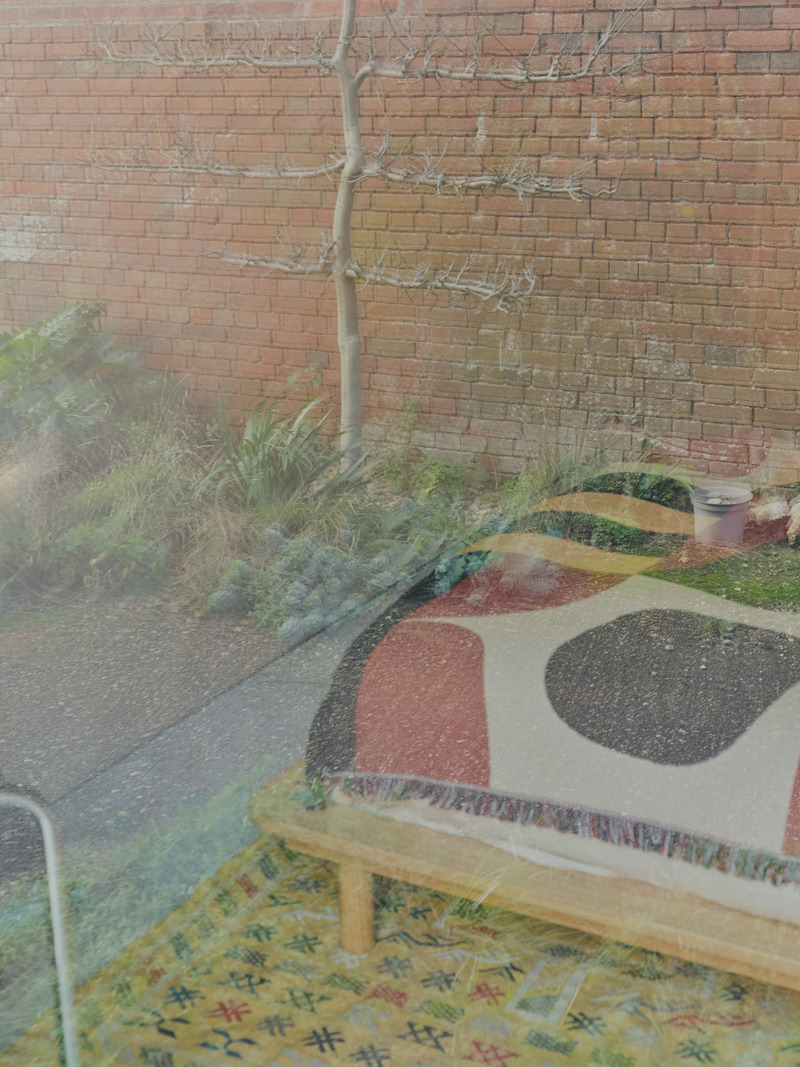
The garden here is a particular source of pleasure for Je. He carved it out of the farmyard concrete with his good friend and collaborator, the award-winning garden designer Tom Massey. The mood of the garden is soft and meandering, planted with resilient, drought-resistant species, “basically the fancy version of weeds because it’s dry, sunny and quite windy.” At night, he might light the fire pit in the courtyard, enjoying the movement of the fire from within the barn: “There’s always that connection with the outside.”
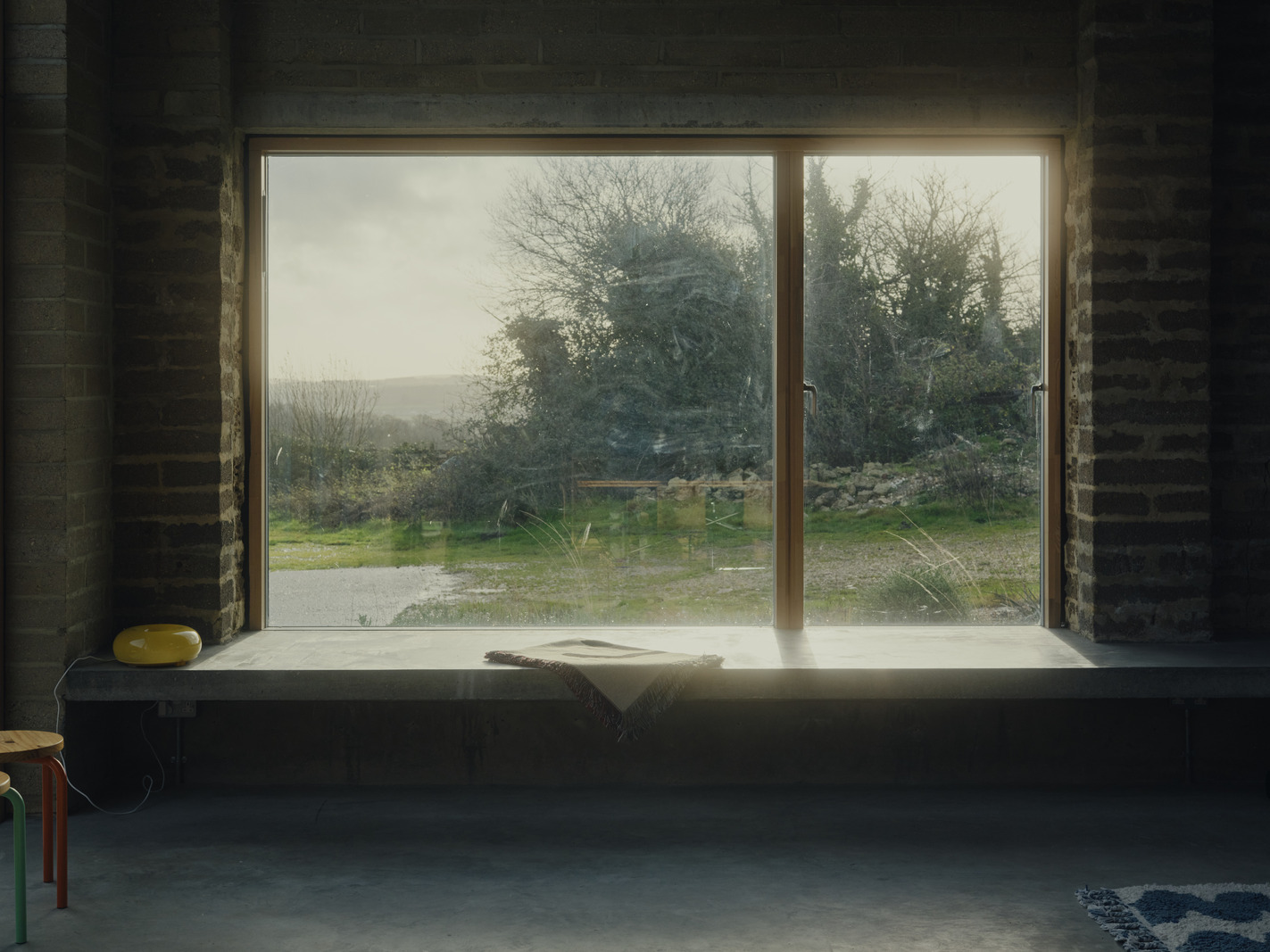
The interior spaces have been thoughtfully designed to be flexible and versatile, to work just as well when Je is here alone or when he’s spending time with friends. “I can occupy the barn in so many different ways, it pivots really well. You feel very cosy and protected in an emotional sense.” The design of the house evolved organically, prioritising open, shared space. “I wanted it to be warm, practical, and in and of itself.” Je’s approach is to tap into the knowledge of the craftspeople and contractors he works with. “Everyone has different skills. I don't try to fight it, I like to use those skills to make something special. For example, the benches were going to be timber, but on the Isle of Wight the contractors were very good at concrete because sea wall repairs were their specialty, so we went with cast concrete instead. The internal walls were going to be exposed timber but we had a brilliant plasterer, so we chose to use a clay render which really warms the space.”
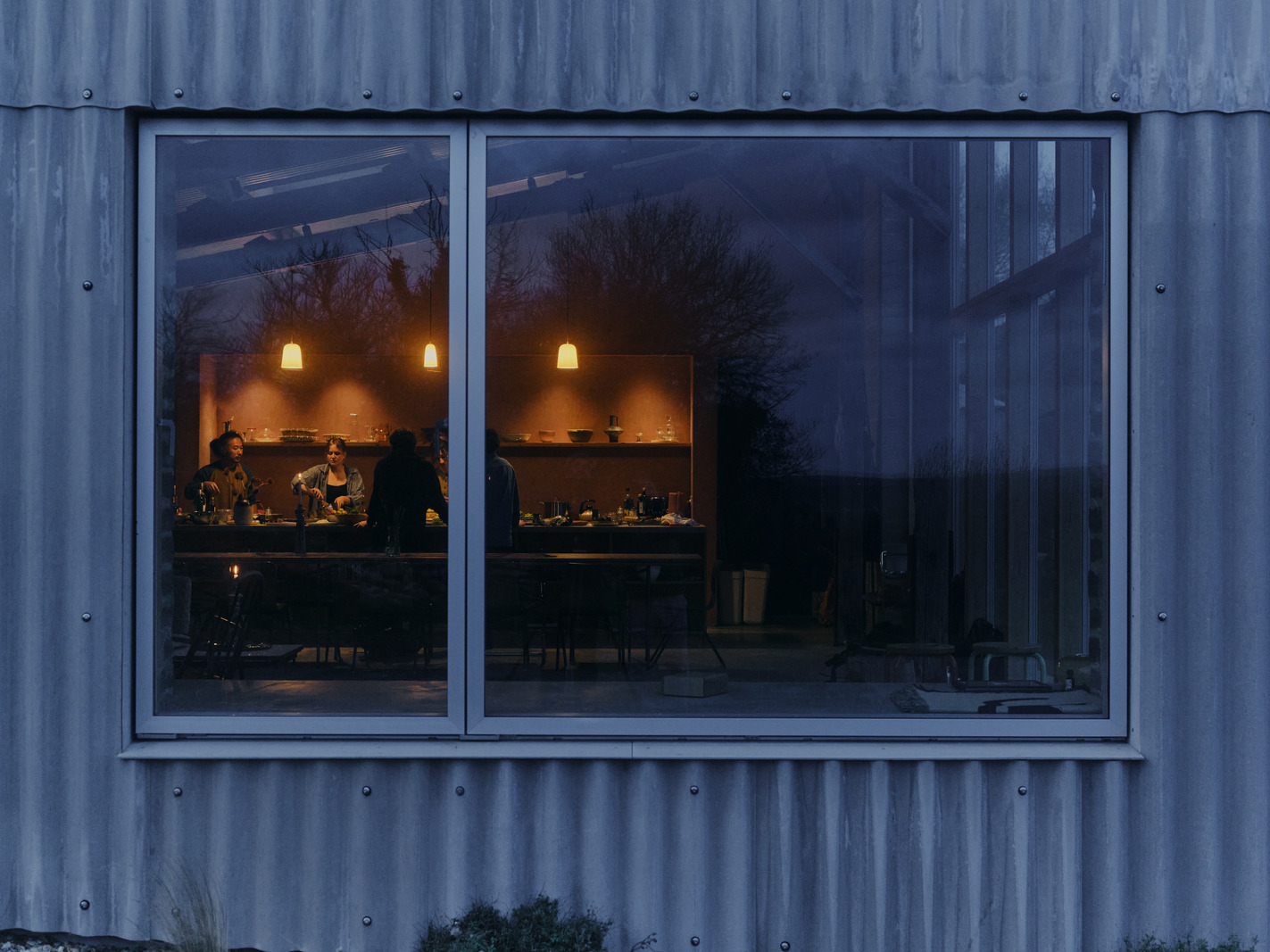
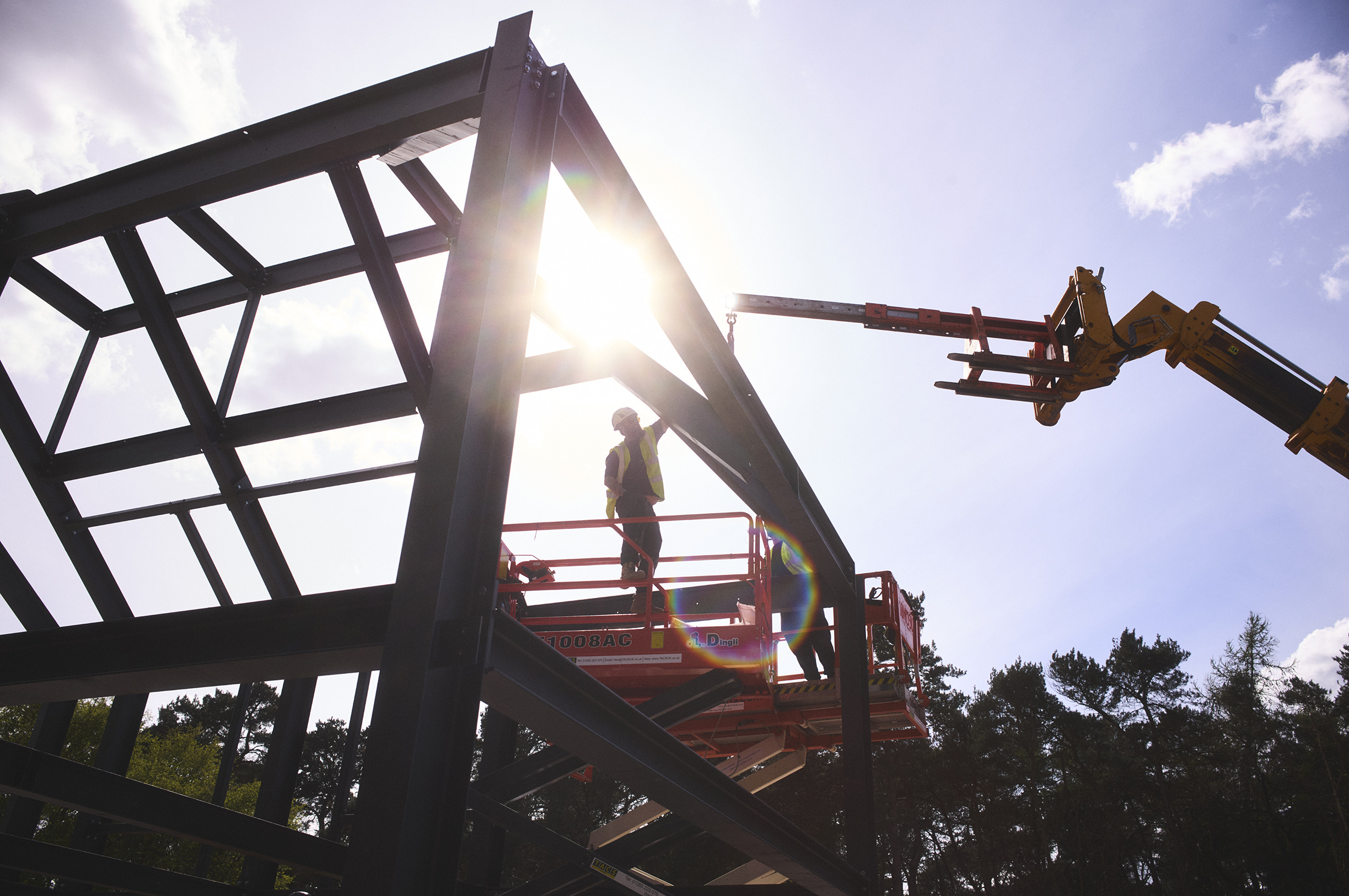
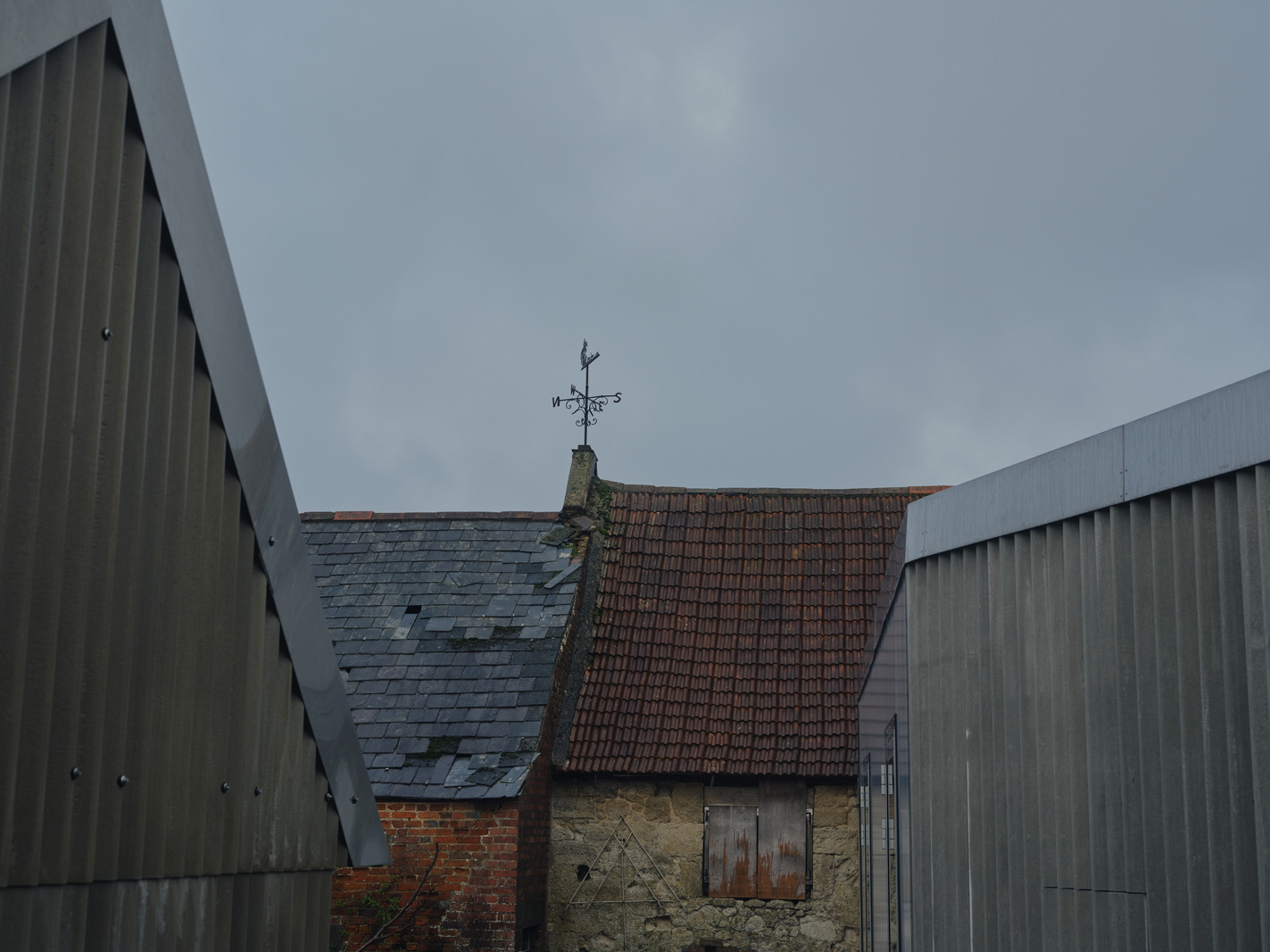
The material palette here references the barn’s agricultural vernacular, with robust galvanised aluminium and corrugated cement sheet, along with locally made blockwork in amber-ochre tones. “At Studio Weave, we try to resist the temptation to fight against whatever the local material is. In many ways, architecture is very similar to cooking: cook something local and in season. You do not deliver either food or architecture on your own,” he continues. “You’re always standing on the shoulders of giants, using generations of knowledge in terms of how materials work and how ingredients taste, and how they can be used together. I use that analogy a lot, probably because I really like food,” he says. “If it says on my tombstone ‘Je was generous’ I would absolutely love that. It’s such a central aim of how I want to live my life. In terms of South Barn itself and my attitude to the act of architecture, the act of cooking, the act of hosting. Actually, I don’t really like the word ‘hosting.’ For me, it’s more about togetherness.”
RELATED ON THE MODERN HOUSE