The Green Series #1: an insiders' guide to insulation
November 18th, 2024
This article is more than a year old and may contain information that is out of date. Sorry about that.
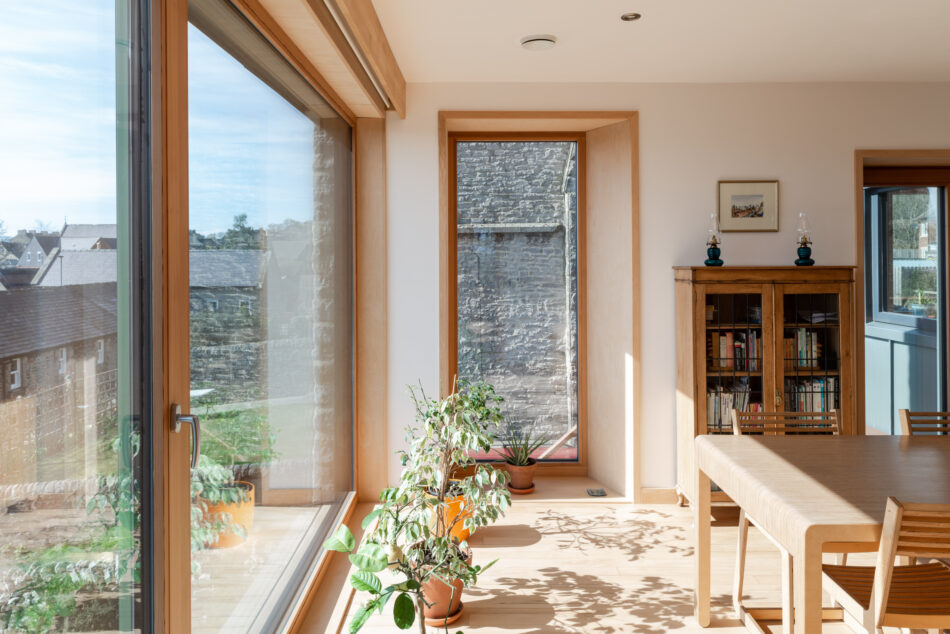
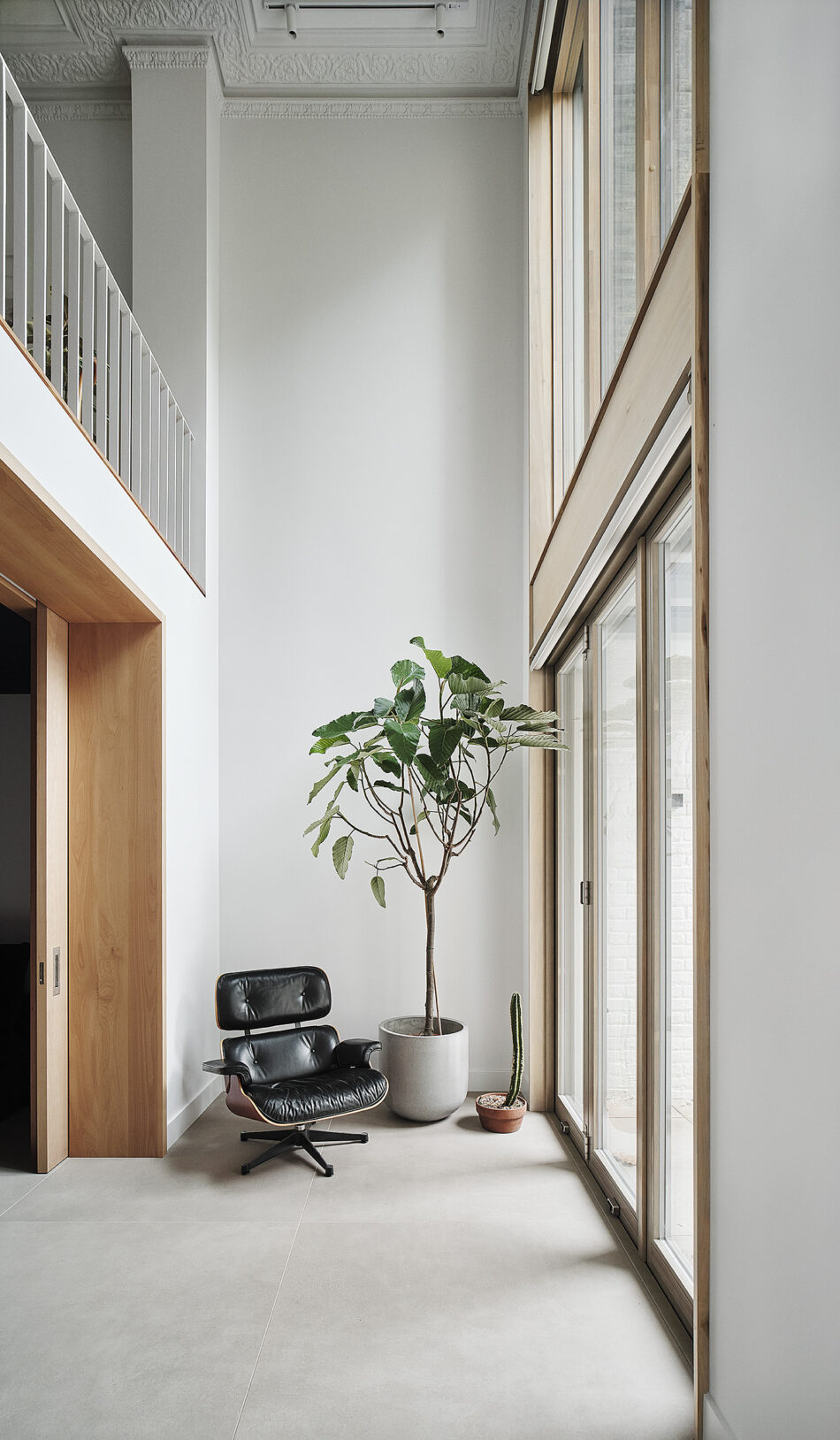
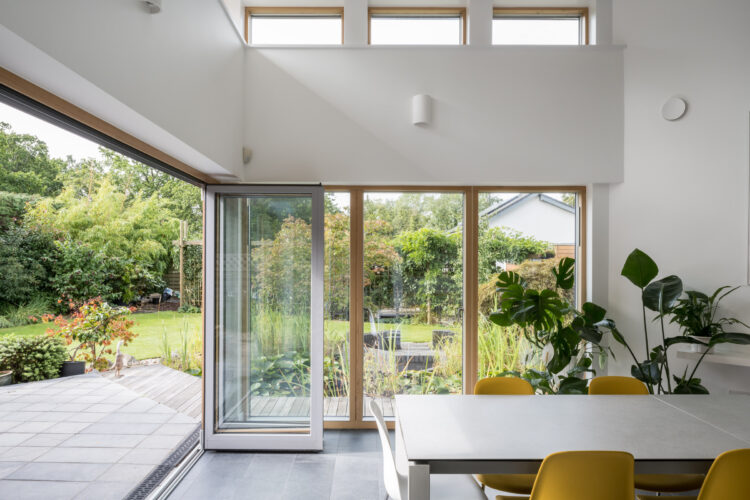
The first instalment of our mini Green Series is all about insulation. Insulation is a key feature of passivhaus design as it reduces the amount of heat lost through the building fabric to a very low level, reducing the heat requirement of the building. Kate Jacobs asks the experts what passivhaus hacks we can apply to our own less-than-well-wrapped homes.
Passivhaus designs feature huge amounts of insulation, wrapped around the entire house. That’s unlikely to be a viable option in most existing homes, but almost everyone can take some steps to upgrade their insulation. Edward Farleigh-Dastmalchi, of fardaa architecture and urban design, takes a pragmatic approach. “It depends on the individual house; which areas are easiest to access and which places will be most impactful,” he says. Typically, the roof is the most beneficial, followed by the (ground) floor, then the walls – particularly cold north-facing ones. It is often most efficient to insulate walls externally with an insulating render, “although in many cases this could be impractical or undermine the aesthetic,“ cautions Farleigh-Dastmalchi.
Different insulations are often compared in terms of their U-values, which measure their rate of heat transfer. While many synthetic insulations have better U-values for thinner products, architects and designers are increasingly stepping away from synthetics because they include unhealthy chemicals, can’t be recycled and will end up in landfill. Instead, natural, low-carbon alternatives such as cork, wood fibre and wool are increasingly favoured. “With these products you might require a thicker layer of insulation or achieve lower performance, but they address imminent problems associated with energy and waste in industrial production,” explains Farleigh-Dastmalchi.
For lofts, floors and walls, wood fibre can be a good sustainable all-rounder. It’s very low VOC and will naturally decompose when it is no longer in use – with wool another strong sustainable choice for lofts and under-floors. At floor level, wood fibre boards are a non-intrusive option and, when creating a new slab floor for an extension etc., limecrete is a good choice if the floor sits above the water table. (It won’t work for basements.)
If re-plastering walls is a possibility, some products offer a modest boost to insulation, providing 5-10 times more insulation than standard plasters. “Where space for insulation is limited, we’ve specified Lime Green ultra-lime plaster base coat, a breathable, insulated product that can be applied directly to masonry surfaces, requiring minimal labour,” says Farleigh-Dastmalchi. If you’re on a budget, cork board is a great low-carbon option for walls. “It’s important to work within the skill level of your builder, to avoid issues like botched thermal bridging causing condensation problems. Cork is naturally vapour permeable and can be drilled or glued onto walls over a levelling surface, without worrying about trapped water that can be a problem with synthetic insulation,” explains Farleigh-Dastmalchi.
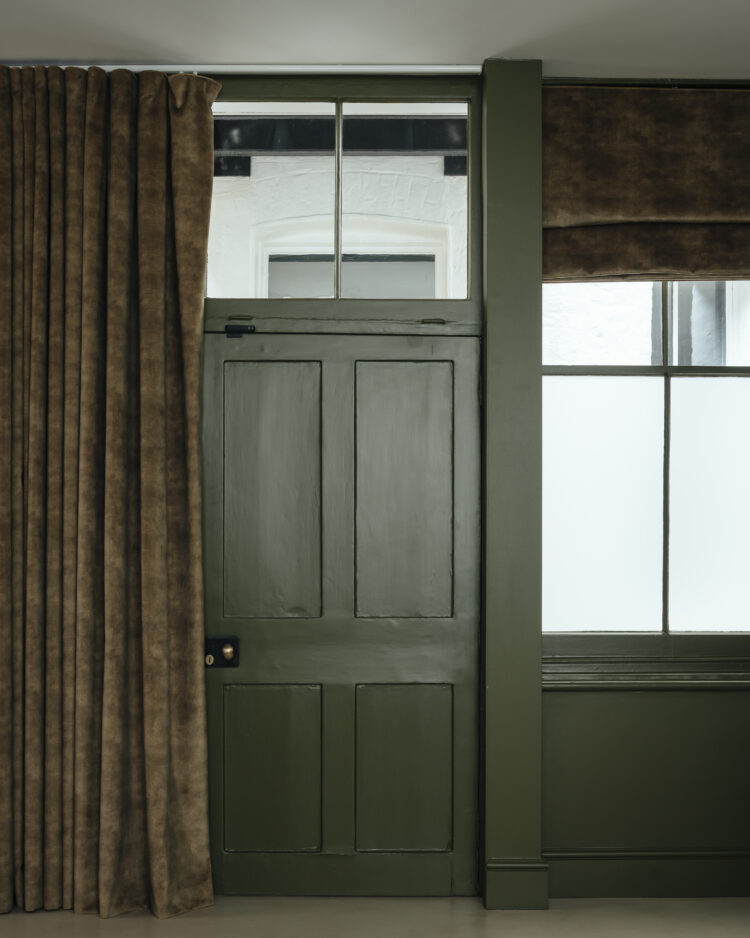
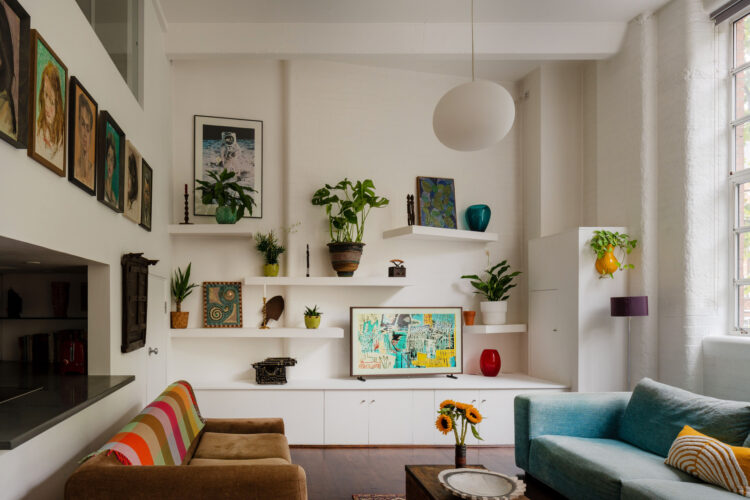
For a simple, budget-friendly approach that’s particularly good for renters, Anaïs Bléhaut of architects daab design advises, “In the absence of any substantial insulation upgrade to the walls, covering exterior-facing walls with curtains, tapestries and rugs could remedy some of the detrimental effect of poorly insulated rooms.”
For our full series of Passivhaus hacks see: